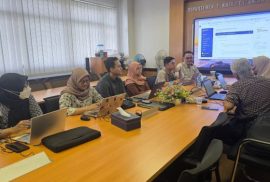
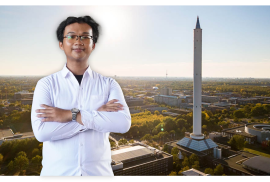
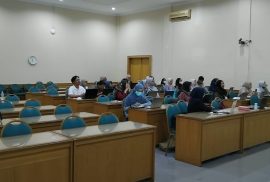
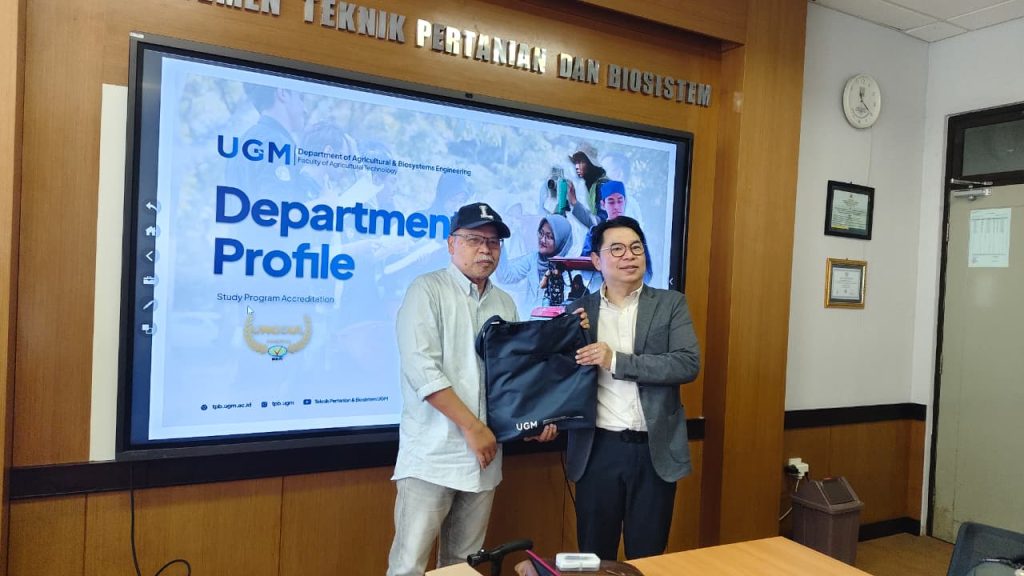
The Department of Agricultural and Biosystems Engineering (DTPB), Faculty of Agricultural Technology, Universitas Gadjah Mada (FTP UGM) welcomed an official visit from the School of Bioresources and Technology (SBT), King Mongkut’s University of Technology Thonburi (KMUTT) on 4 December 2025. The visit aimed to introduce each institution’s academic structure, ongoing research activities, and initiate exploratory discussions for strategic collaboration.
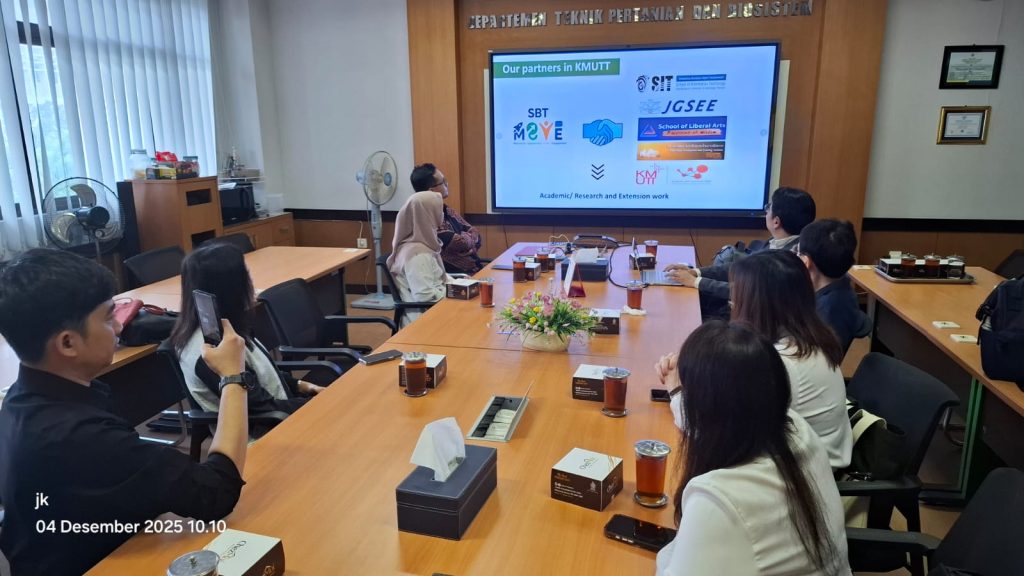
The meeting took place in Meeting Room 1 of DTPB UGM and featured a series of institutional presentations, academic and research activity overviews, and discussions on potential collaboration areas. These included bioresources, biosystems engineering, agro-industrial technology, and sustainability research. Both institutions also explored opportunities for student exchange, joint research, joint supervision, and co-organized academic programs to support the internationalization of study programs.
Prof. Lilik emphasized that this visit serves as an essential foundation for establishing long-term academic collaboration. He expressed hope that the partnership could soon be formalized through integrated collaborative programs across education, laboratory research, and international publication initiatives.
Relevance to the SDGs and Future Collaboration Prospects
The collaborative initiative between DTPB FTP UGM and SBT KMUTT aligns with several Sustainable Development Goals (SDGs), including:
-
SDG 4: Quality Education – through strengthened knowledge exchange, international academic programs, and improved cross-border learning experiences.
-
SDG 9: Industry, Innovation, and Infrastructure – by advancing research and technological development in bioresources and biosystems engineering.
-
SDG 17: Partnerships for the Goals – by enhancing international collaboration networks that support innovation and sustainability in agricultural and biosystems sectors.
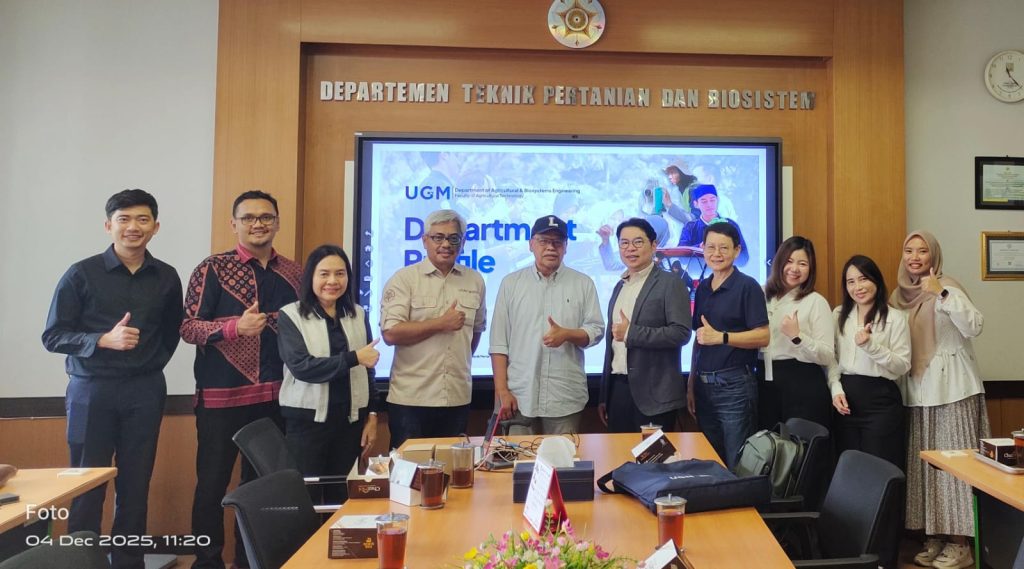
DTPB FTP UGM hopes that this activity will become an important stepping stone toward multidisciplinary research partnerships, broadened international networks, and strengthened institutional contributions to impactful innovations for communities and the agro-bioresource sector in Southeast Asia.