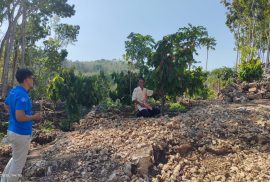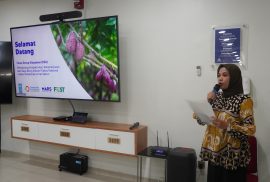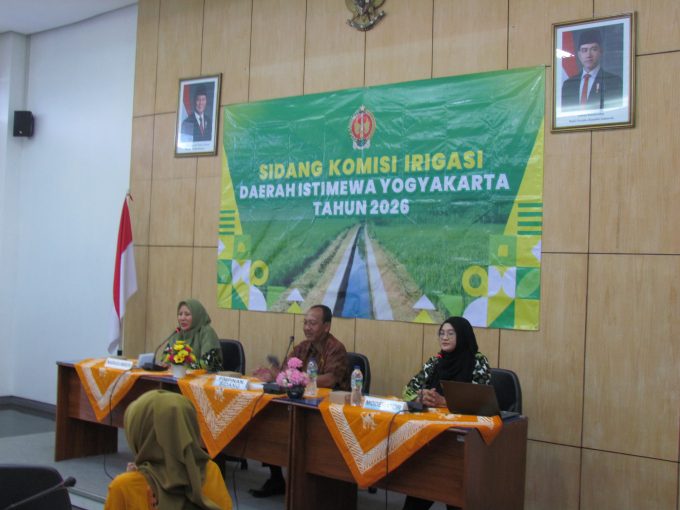
Yogyakarta, July 16, 2026 – Strengthening the resilience of the agricultural sector amid increasing climate-related risks was the central focus of the Second Plenary Meeting of the Yogyakarta Special Region (DIY) Irrigation Commission 2026. The forum brought together representatives from government agencies, academia, and other stakeholders to formulate adaptive irrigation management strategies while reinforcing science-based water resource governance to support regional food security. In this strategic forum, Department of Agricultural and Biosystems Engineering (DTPB), Faculty of Agricultural Technology, Universitas Gadjah Mada (FTP UGM) played an active role through the contribution of its academic staff in providing scientific perspectives on institutional coordination and climate adaptation for irrigation management.
Developing Irrigation Cropping Plans and Water Allocation
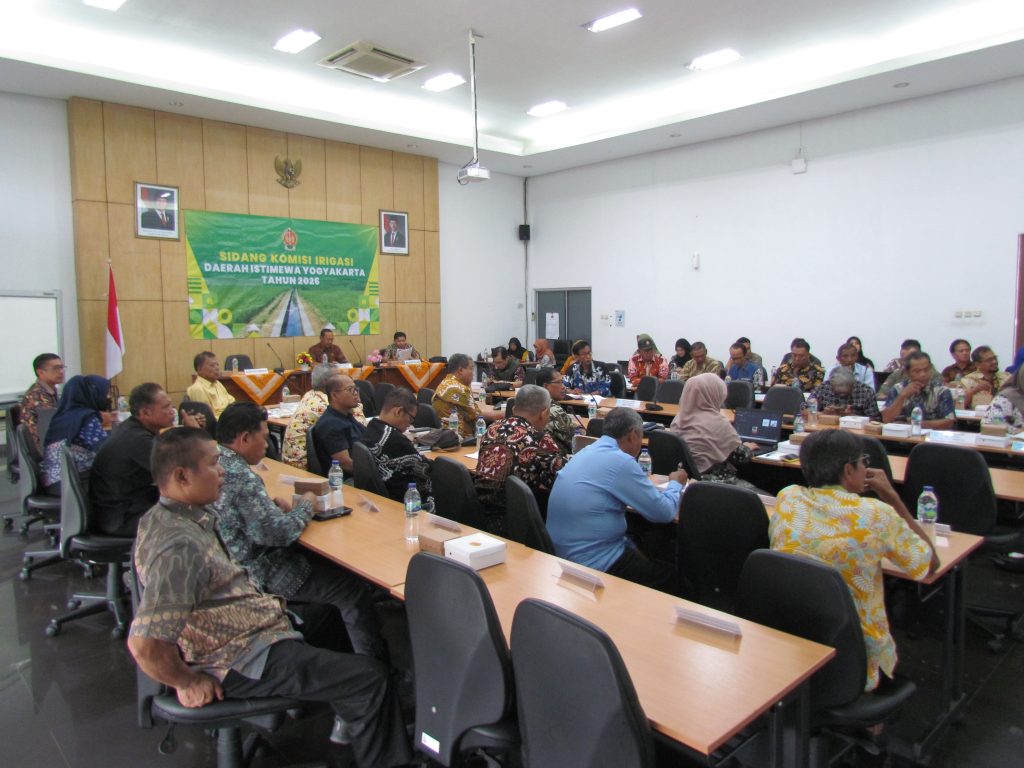
One of the key agendas of the meeting was the discussion of the Draft Global Cropping Plan (Rencana Tata Tanam/RTT) and the 2026–2027 Irrigation Water Allocation and Distribution Plan for irrigation areas under the authority of the Yogyakarta Provincial Government.
These planning documents serve as technical guidelines for determining cropping patterns and allocating irrigation water based on the balance between available water resources and agricultural demand. Beyond operational purposes, the plans are intended to improve water-use efficiency and strengthen regional food security through more integrated and sustainable water resource management.
DTPB FTP UGM Highlights the Importance of Institutional Synergy
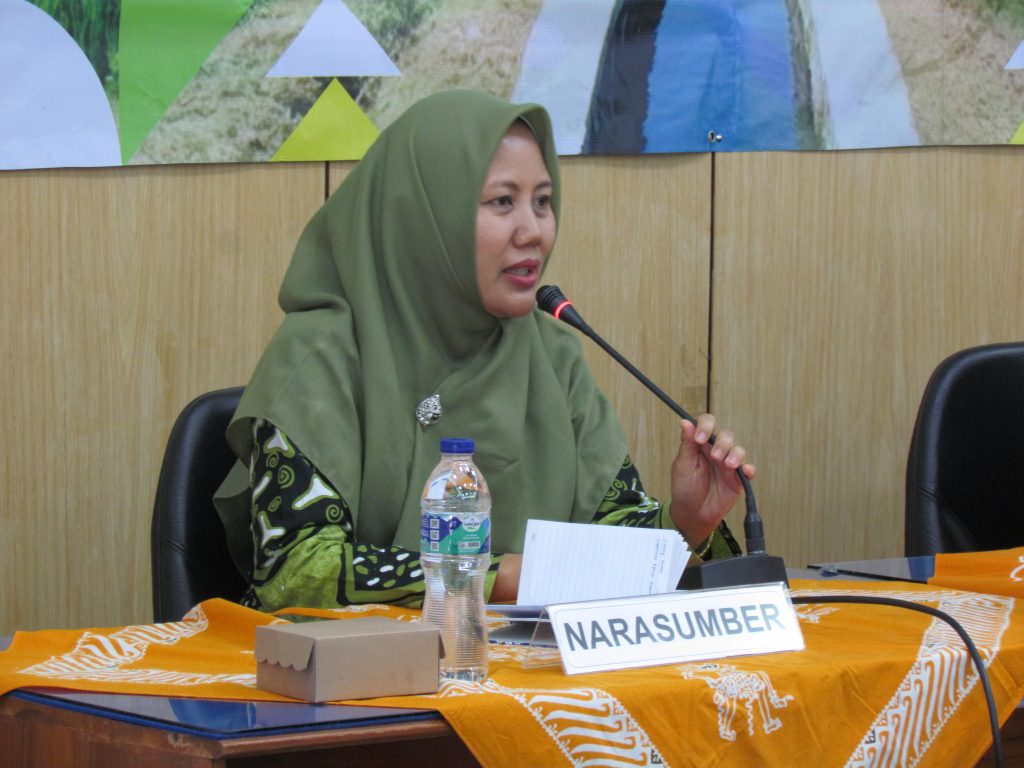
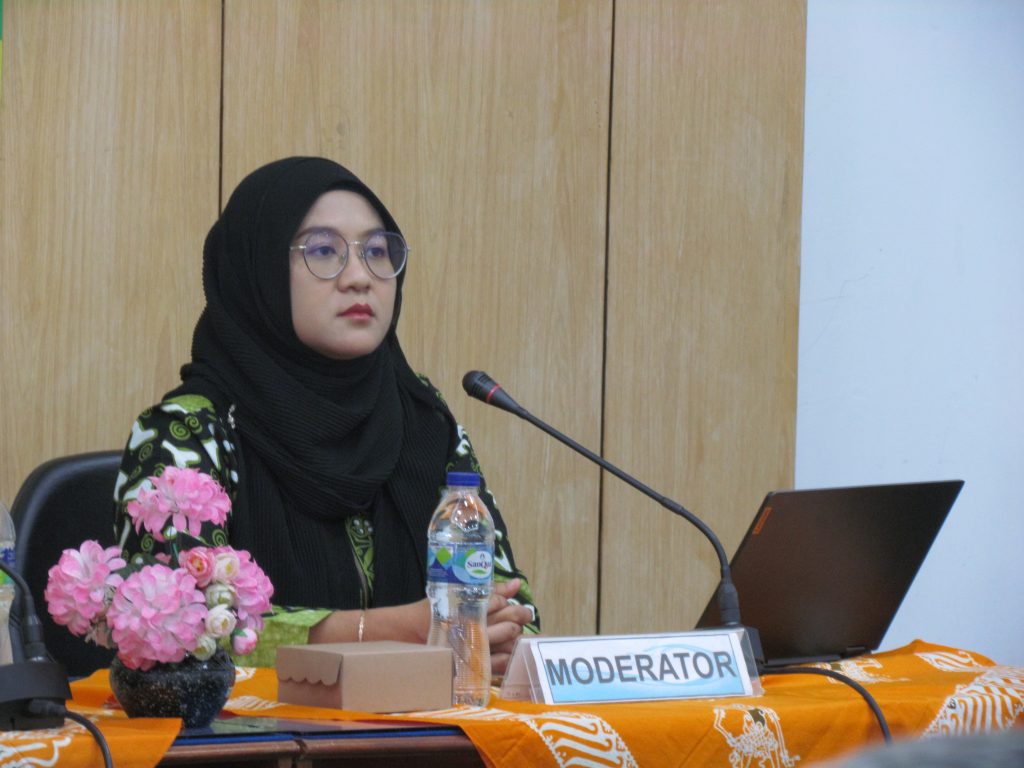
A major highlight of the meeting was a discussion session entitled “Institutional Synergy in Irrigation Management for Hydrometeorological Disaster Adaptation in Yogyakarta.”
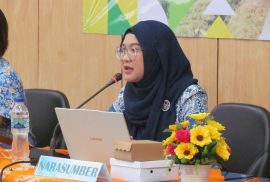
The session featured Dr. Ngadisih, S.T.P., M.Sc., IPM., ASEAN Eng., a lecturer from the Department of Agricultural and Biosystems Engineering (DTPB), FTP UGM, as the keynote speaker, while Dr. Eng. Ansita Gupitakingkin Pradipta, S.T., M.Eng., IPM. served as the moderator.
Drawing on academic research and practical experience in irrigation and water resource management, Dr. Ngadisih emphasized that strengthening institutional collaboration is essential to addressing increasingly frequent hydrometeorological hazards, including droughts, floods, and shifting rainfall patterns resulting from climate change.
She highlighted that resilient irrigation systems depend not only on well-maintained infrastructure but also on effective coordination among government agencies, irrigation institutions, researchers, and local communities. According to her, integrating scientific knowledge, data-driven planning, and cross-sector collaboration is fundamental to building irrigation systems capable of adapting to future climate uncertainties.
Optimizing Water Resource Management Through Strategic Planning
The discussion also underscored the role of the Global Cropping Plan (RTT) as an important instrument for optimizing water resource utilization, improving irrigation water distribution efficiency, and aligning cropping schedules with actual hydrological conditions.
This planning approach is expected to promote more effective, efficient, and sustainable irrigation management while enhancing agricultural productivity and strengthening preparedness for climate variability.
Advancing Science-Based Irrigation Governance
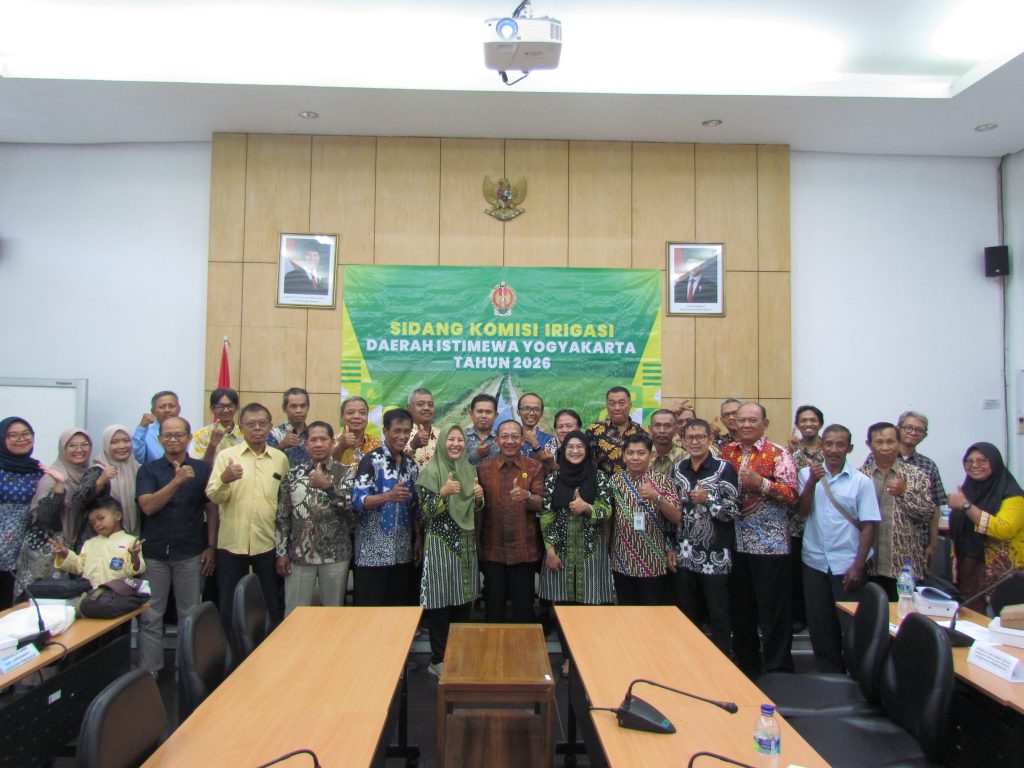
As a cross-sector coordination platform, the Second Plenary Meeting of the Yogyakarta Irrigation Commission 2026 reaffirmed the importance of collaboration between government institutions, universities, practitioners, and other stakeholders in developing evidence-based irrigation policies.
The active participation of DTPB FTP UGM, particularly through the contribution of Dr. Ngadisih, reflects the department’s commitment to supporting sustainable irrigation management by integrating scientific research, policy recommendations, and stakeholder engagement. Such collaboration is expected to strengthen institutional capacity, improve water resource governance, and contribute to climate-resilient irrigation systems that support sustainable agriculture and long-term food security in the Special Region of Yogyakarta.