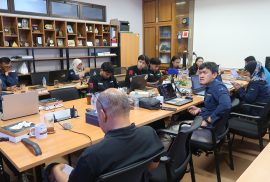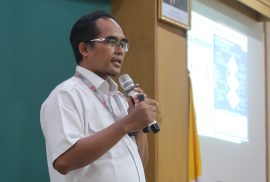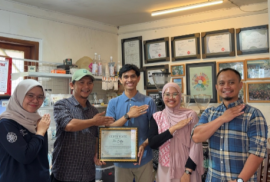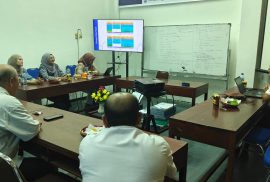
HANOI — The Department of Agricultural and Biosystems Engineering (DTPB), Faculty of Agricultural Technology (FAT) UGM, continues to expand its academic and research footprint globally. DTPB UGM Lecturer, Dr. Ngadisih, S.T.P., M.Sc., attended an official invitation from BOKU University (Austria) to participate in the Sustainable Life Sciences Network Workshop 2026 ASEA-UNINET – BOKU, held from October 27–30, 2026, in Hanoi, Vietnam.
Hosted at the Hanoi University of Science and Technology (HUST) and the Vietnam National University of Agriculture (VNUA), the workshop was themed “Advancing Sustainable and Resilient Futures through International Collaboration, Education and Interdisciplinary Life Sciences Research”. This strategic forum brought together BOKU University and leading Southeast Asian partner institutions to design joint research initiatives, strengthen academic mobility programs, and build capacity in sustainable life sciences.
Showcasing Land Restoration Research: Bangka Living Lab

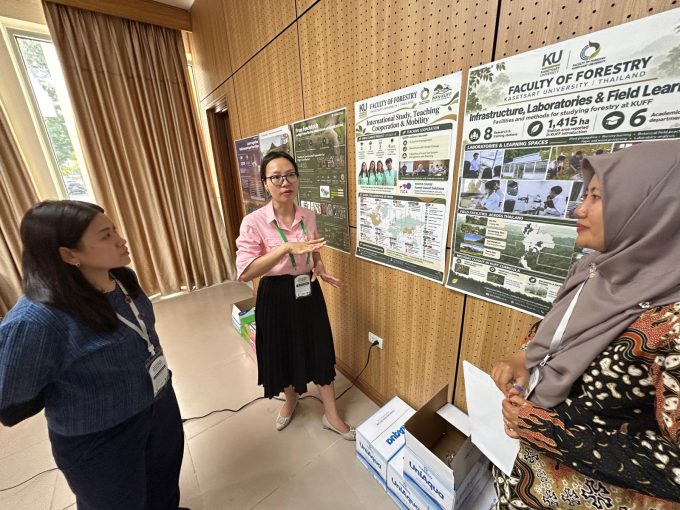
During the research poster session at HUST, Dr. Ngadisih highlighted DTPB UGM’s dedication through the “Bangka Living Lab” initiative, presenting a poster titled “From Tin Scars to Circular Farms”. This initiative serves as a comprehensive research platform focused on transforming former tin mining sites in the Bangka Belitung Islands into productive and sustainable circular agricultural lands.
The long-term research conducted by the UGM team addresses severe environmental challenges caused by open-pit mining, such as low soil organic matter and heavy metal contamination. Dr. Ngadisih presented the progress of studies on local soil ameliorants, soil quality improvement, and socio-economic interventions through the revitalization of local white pepper commodities.
Beyond showcasing post-mining research, this visit provided a platform for DTPB FAT UGM to introduce its laboratory expertise in Land and Water Resources Engineering and Bio-Environmental Control Engineering.
Unlocking Funding and International Partnership Opportunities
In addition to mapping research expertise across universities, the workshop explored international mobility funding schemes such as ASEA-UNINET, Ernst Mach Grants, and Erasmus+. Through the Bangka Living Lab platform, DTPB UGM opens collaboration opportunities for global researchers to engage in studies covering soil microbiology, geospatial analysis, land remediation, and integrated smart farming.
Dr. Ngadisih’s active participation in this forum aligns with UGM’s commitment to strengthening cross-border academic partnerships while advancing the United Nations Sustainable Development Goals (SDGs), particularly SDG 2: Zero Hunger, SDG 4: Quality Education, SDG 15: Life on Land, and SDG 17: Partnerships for the Goals.