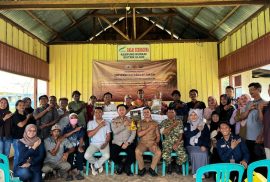
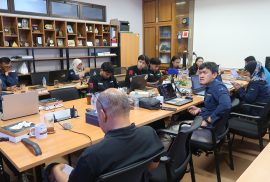
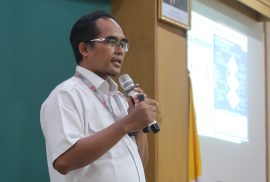
YOGYAKARTA – The Department of Agricultural and Biosystems Engineering, Faculty of Agricultural Technology, Universitas Gadjah Mada (UGM), has partnered with the National Development Planning Agency (Bappenas) through the signing of a Type II Self-Management Contract to conduct a study on determining priority locations and selecting postharvest technology based on regional characteristics on Friday (10/09/2026). This collaboration focuses on formulating a national strategy for food loss reduction to support food sovereignty and economic transformation toward the Golden Indonesia Vision 2045.
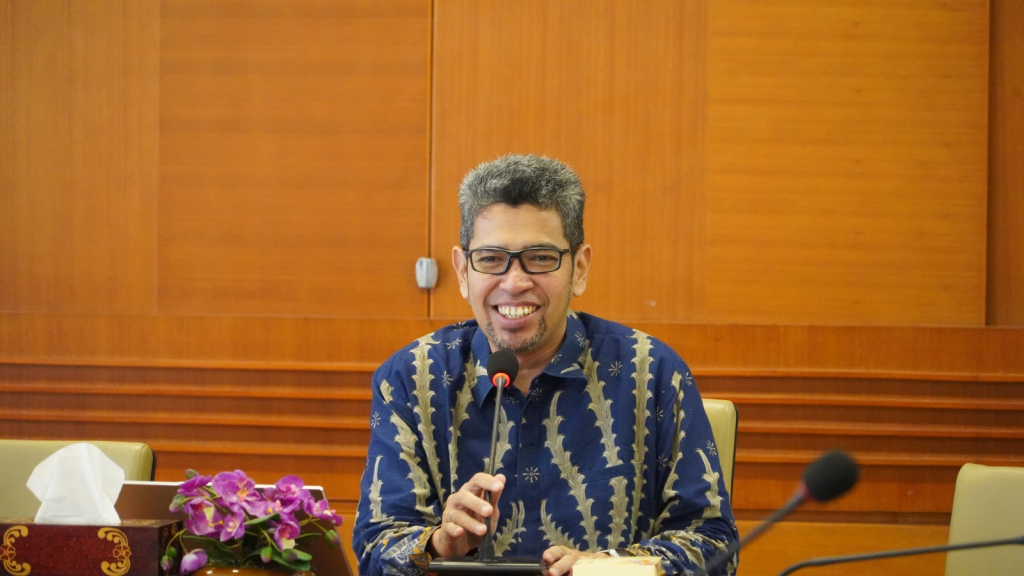
Dean of FAT UGM, Prof. Mirwan, stated that UGM possesses comprehensive expertise from upstream to downstream ready to support government programs through interdisciplinary collaboration. The synergy between agricultural engineering, food processing technology, and industrial management is expected to yield evidence-based scientific solutions.
“The Faculty of Agricultural Technology has complementary competencies in supporting the food system, ranging from postharvest handling and processing to supply chain systems. This synergy is expected to generate comprehensive recommendations to support national policy,” said Prof. Mirwan.
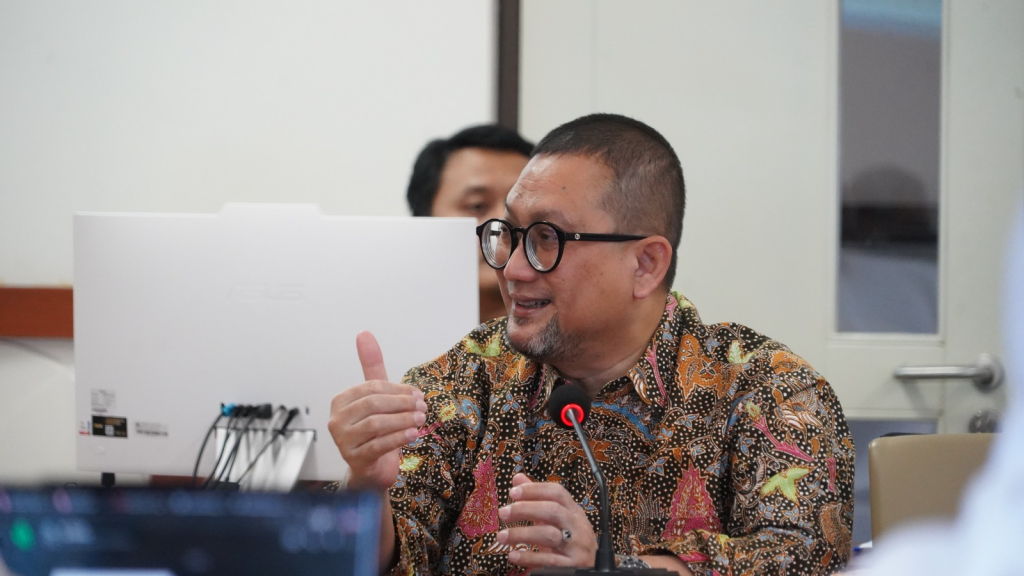
Meanwhile, Bappenas Representative, Uke Mohammad Hussein, emphasized the importance of a study that not only provides technical recommendations but also presents a cost-benefit analysis. A 3–5 percent reduction in food loss stands as one of the national strategic priority focuses in maintaining food sovereignty amidst land constraints.
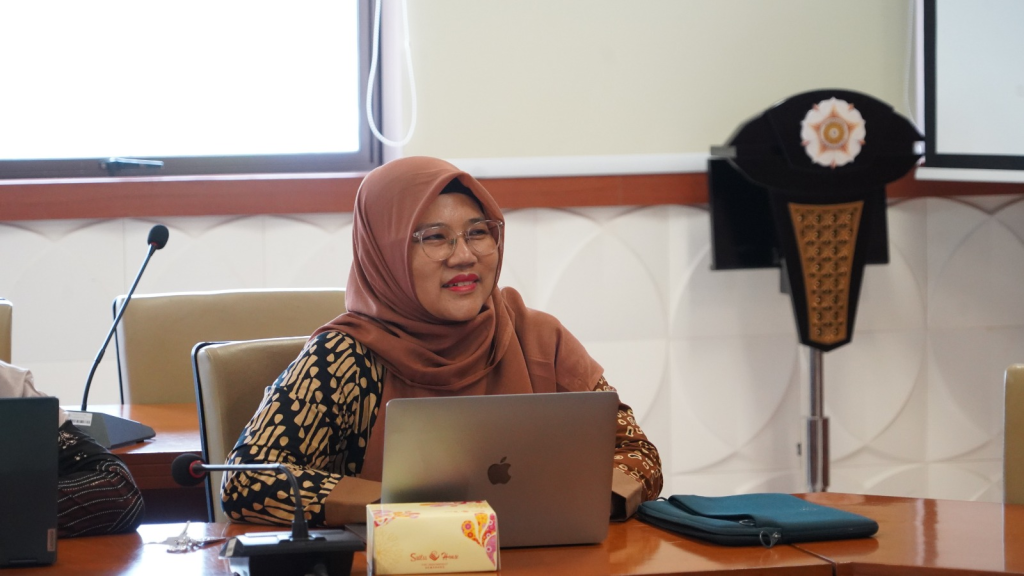
Team Leader of the Study, Dr. Sri Rahayoe, explained that the proper application of agricultural machinery and equipment (alsintan) is capable of significantly reducing harvest loss. Therefore, this study aims to determine priority locations analyzed based on regional characteristics and food loss levels, as well as establish the appropriate set of agricultural machinery suited to regional characteristics. Through this region-based study, UGM and Bappenas are committed to generating implementable policy recommendations to drive food supply chain efficiency and farmer welfare nationwide.
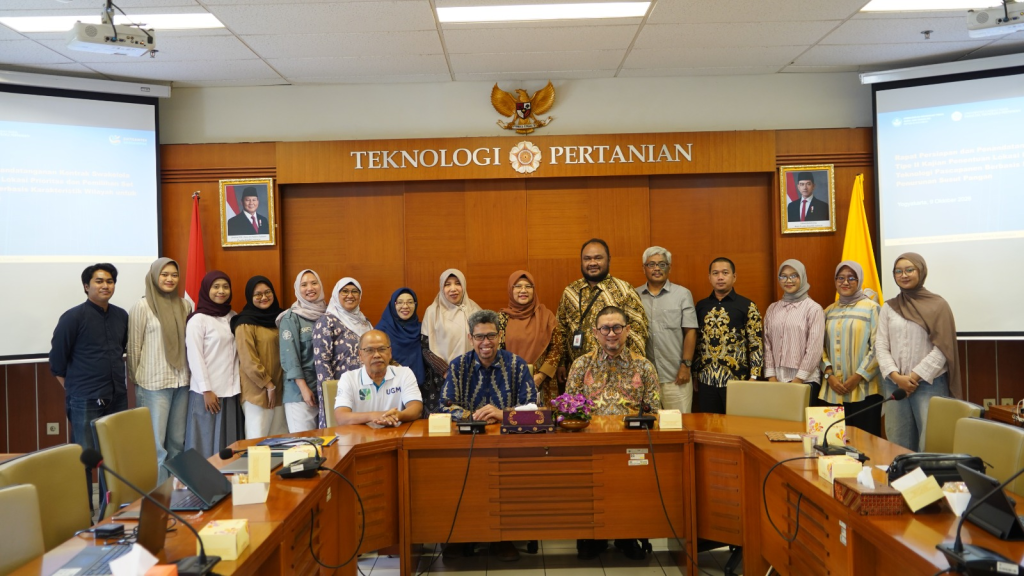
This collaborative initiative aligns with the achievement of the Sustainable Development Goals (SDGs), particularly SDG 2: Zero Hunger (strengthening food security and reducing crop loss), SDG 9: Industry, Innovation, and Infrastructure (application of technology and postharvest mechanization), SDG 12: Responsible Consumption and Production (food supply chain efficiency), and SDG 17: Partnerships for the Goals through synergy between academia and the central government.