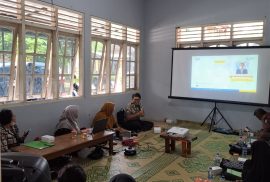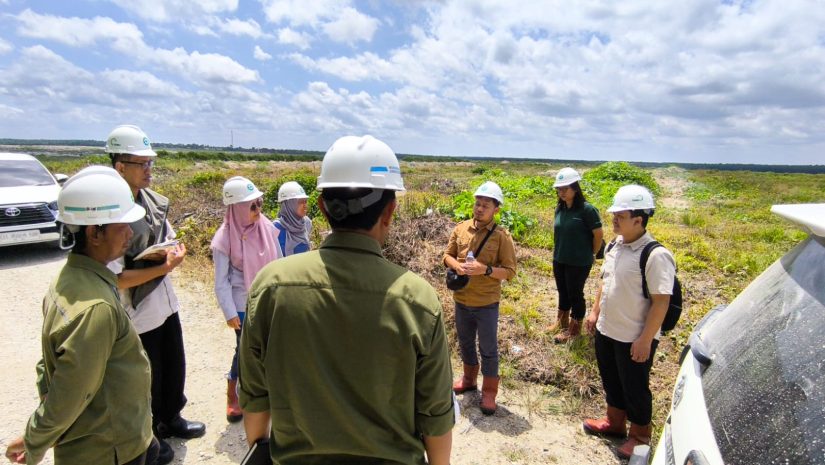
February 10–13, 2026, Pangkalan Bun – Lecturers from the Department of Agricultural and Biosystems Engineering (DTPB), Faculty of Agricultural Technology (FTP), Universitas Gadjah Mada (UGM) are playing a strategic role in a research project entitled “Optimization of Biochar Production and Application from Oil Palm Biomass: A Strategy to Achieve Carbon and Nutrient Credits for a Sustainable Palm Oil Industry.”
The research is funded by Badan Pengelola Dana Perkebunan Kelapa Sawit (BPDPKS) as part of its commitment to promoting technological innovation and sustainable practices in Indonesia’s palm oil sector.
As an initial phase of the project, the research team conducted a site survey at the operational area of PT Astra Agro Lestari Tbk located in Pangkalan Bun from February 10–13, 2026. The survey aimed to assess oil palm biomass potential, existing waste management systems, and the readiness for implementing biochar production and application technologies at the industrial level.
Strategic Role of DTPB FTP UGM Lecturers
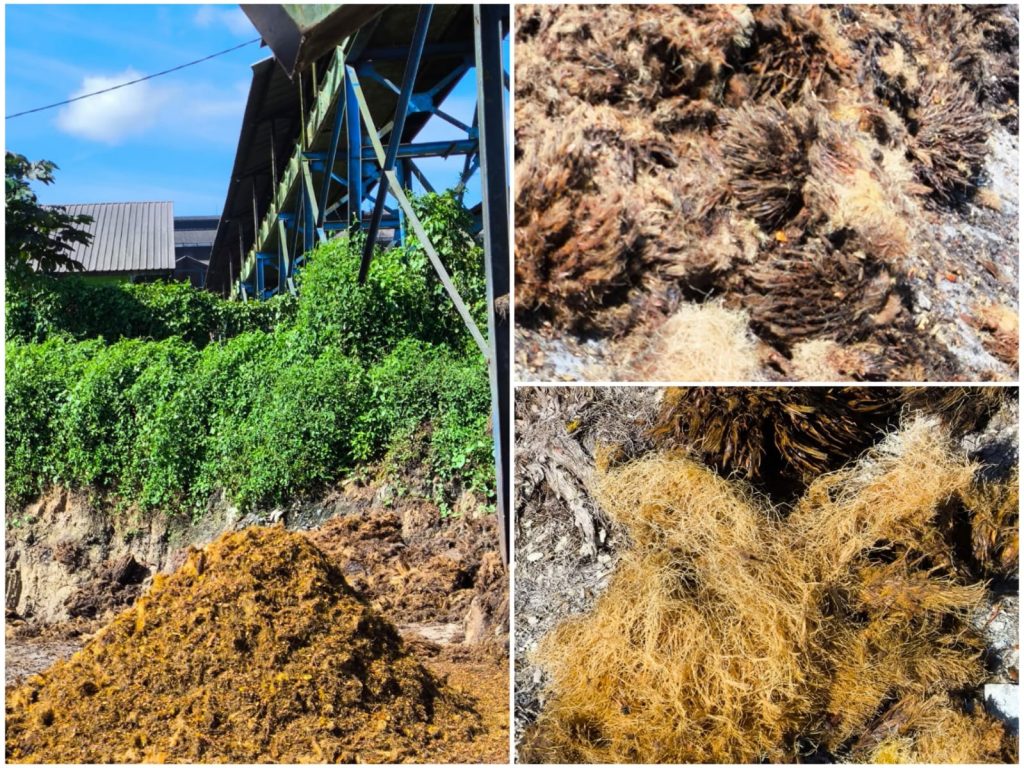
In this activity, two DTPB FTP UGM lecturers, Dr. Ngadisih and Dr. Nat. techn. Rizki Maftukhah, played a key role in strengthening the implementation aspects of biochar application in oil palm plantations, particularly its impact on carbon sequestration and oil palm growth performance.
Their expertise in agricultural and biosystems engineering underpins:
-
Characterization of oil palm biomass as feedstock for biochar
-
Evaluation of production parameters (pyrolysis temperature, residence time, and carbon conversion efficiency)
-
Assessment of biochar effectiveness in improving soil quality and nutrient retention
-
Quantification of potential carbon credit and nutrient credit through scientific and measurable approaches
Their involvement highlights DTPB FTP UGM’s tangible contribution in supporting the transition toward a circular, low-carbon palm oil industry.
Multidisciplinary and Cross-Institutional Collaboration
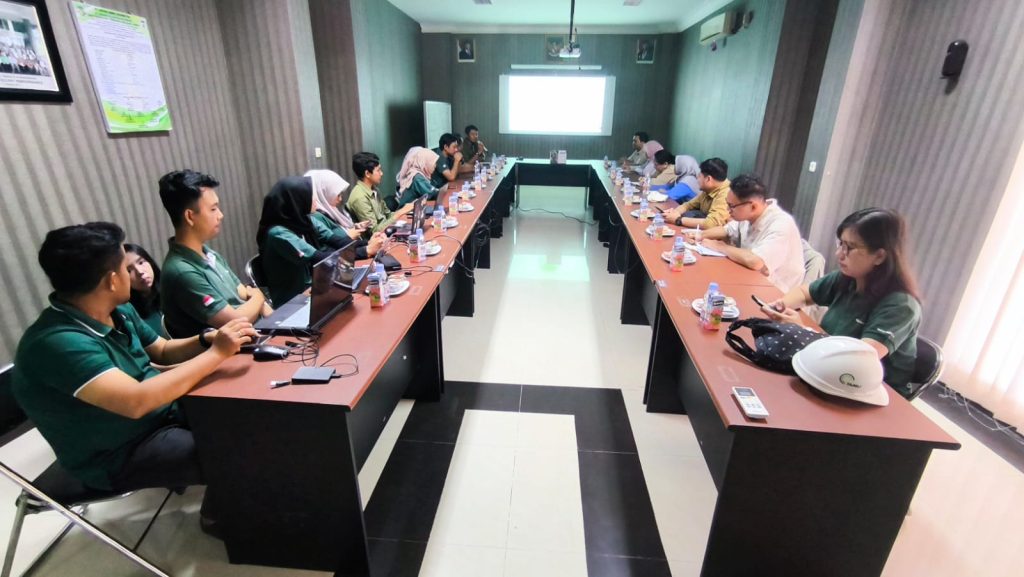
The research is led by Hanifrahmawan Sudibyo, S.T., M.Eng., M.S., Ph.D. from Chemical Engineering UGM. The team also collaborates with:
-
Dr. Ir. Ai Dariah and Dr. Arief (ARS) from Badan Riset dan Inovasi Nasional (BRIN)
-
Indra Permana, M.P from Universitas Siliwangi
At the implementation stage, the team will focus on agronomic trials of the biochar product to evaluate its effects on soil physical, chemical, and biological properties, as well as plant growth response.
Contribution to the Sustainable Development Goals (SDGs)
This oil palm biomass-based biochar research directly contributes to the Sustainable Development Goals established by the United Nations (UN).
Through biomass pyrolysis utilization, the project supports SDG 7 (Affordable and Clean Energy) by promoting renewable resource-based materials. The development of efficient and low-emission biochar production technology strengthens SDG 9 (Industry, Innovation, and Infrastructure) by fostering science-based industrial innovation.
Optimizing biomass utilization aligns with SDG 12 (Responsible Consumption and Production) by reducing resource waste and improving plantation production efficiency. Furthermore, biochar application enhances long-term carbon sequestration in soils, contributing to SDG 13 (Climate Action) and enabling carbon credit schemes as climate mitigation instruments. The collaborative implementation among universities, national research institutions, funding agencies, and industry partners also reinforces SDG 17 (Partnerships for the Goals).
Strategy Toward a Sustainable Palm Oil Industry
Oil palm biomass-based biochar offers significant potential to increase soil carbon stability, reduce greenhouse gas emissions from biomass waste, improve cation exchange capacity (CEC) and fertilizer efficiency, and create new economic opportunities through carbon and nutrient credit schemes.
The site survey conducted on February 10–13, 2026, in Pangkalan Bun represents a strategic step to ensure that the research design aligns with real industrial operational conditions. Through this initiative, DTPB FTP UGM actively contributes to advancing Indonesia’s palm oil industry toward a more sustainable, technology-driven, and decarbonization-aligned production system.