Vienna, Austria, April 29–May 12, 2026 – The Department of Agricultural and Biosystems Engineering (DTPB), Faculty of Agricultural Technology, Universitas Gadjah Mada (FTP UGM), continues to expand its international engagement through a global research mission at BOKU University, Vienna, Austria. This initiative not only strengthens international academic networks but also reflects impactful strategic collaboration aimed at addressing global sustainability challenges through cross-country research partnerships.
Through the ASEA-UNINET scheme, three DTPB FTP UGM faculty members—Dr. Rizki Maftukhah, Dr. Ngadisih, and Dr. Murtiningrum—conducted an international research mission focused on developing science-based solutions for soil health, food safety, and environmental restoration.
ASEA-UNINET (ASEAN European Academic University Network) is an international academic cooperation network designed to promote bilateral and multilateral projects in research, research-led teaching, and arts development between Austrian universities and partner institutions in Southeast Asia. Through ASEA-UNINET Project Funding, the program supports collaborative research grants, researcher mobility, academic exchanges, and international scientific networking. For DTPB FTP UGM, this scheme serves as a strategic platform to expand Indonesia’s contribution to sustainability and global environmental issues.
Global Collaboration to Address Environmental Challenges
In this mission, DTPB FTP UGM participated not only as a research partner but also played a strategic role as an international collaboration coordinator, bringing together multiple universities within a global research network.
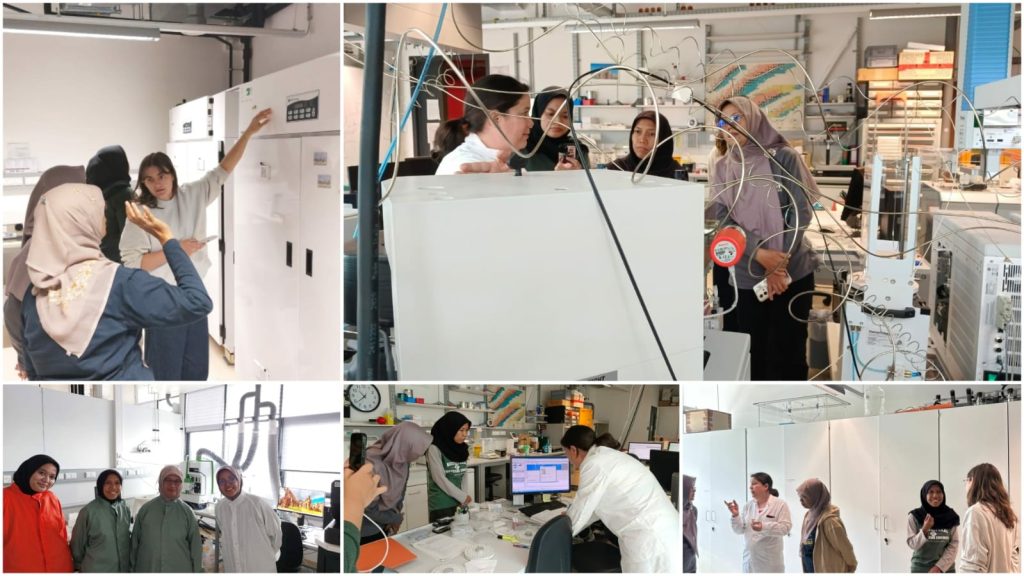
Under DTPB FTP UGM’s coordination, the collaboration involved researchers from BOKU University, Universitas Gadjah Mada, Vietnam National University of Agriculture (VNUA), and Kasetsart University, Thailand, in two sustainability-focused international projects.
The first project, “Use of Locally Available Soil Amendments to Reduce Heavy Metal Concentrations in Important Food Crops,” brings together researchers from BOKU, UGM, and VNUA to develop soil management approaches utilizing locally available amendments to reduce heavy metal contamination in food crops.
The second project, “Transforming Restoration of Post-Mining Soils with Nature-Based Solutions in Tropical Areas (RENTROP),” involves researchers from BOKU, UGM, and Kasetsart University and focuses on developing nature-based solutions for restoring degraded tropical lands.
DTPB FTP UGM’s coordinating role in connecting multiple international institutions demonstrates the department’s growing capacity to establish strategic partnerships that not only expand academic networks but also generate collaborative research with tangible impacts on global environmental challenges.
As global attention toward soil health, food security, and environmental degradation continues to grow, coordinated international collaborations such as these are becoming increasingly important in developing scientifically robust and socially relevant solutions.
Indonesia’s Strategic Role in International Research Networks
During this mission, Dr. Rizki Maftukhah served as the Indonesian Coordinator for the two ASEA-UNINET projects, strengthening Indonesia’s contribution to international research networks focusing on sustainable soil management and environmental restoration.
This role highlights that international collaboration extends beyond academic exchanges, serving as a strategic platform for Indonesian researchers to actively contribute to the global research agenda.
The involvement of DTPB FTP UGM researchers in coordinating positions also reflects the institution’s growing capability to establish more equitable and impactful international research partnerships.
Technology Transfer and Research Capacity Building
Throughout the mission, the research team carried out various academic and technical activities that supported knowledge transfer and research development.
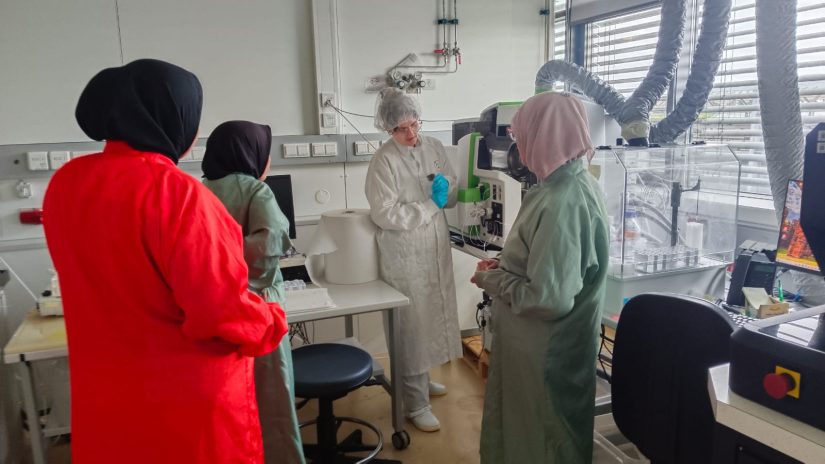
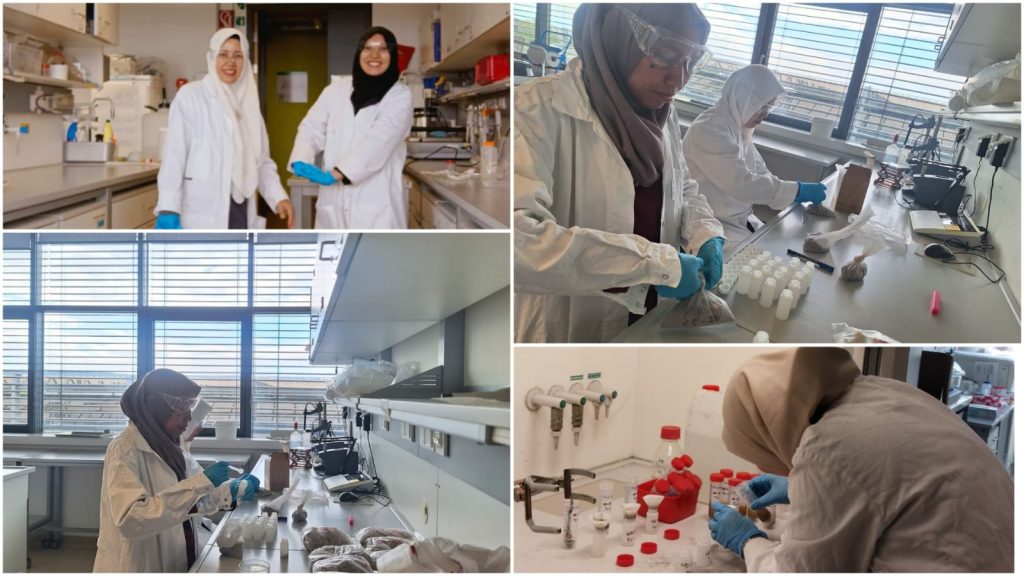
One of the main activities involved advanced laboratory analyses at the Institute of Soil Research, BOKU University, to evaluate the effectiveness of various local soil amendments in improving contaminated soils.
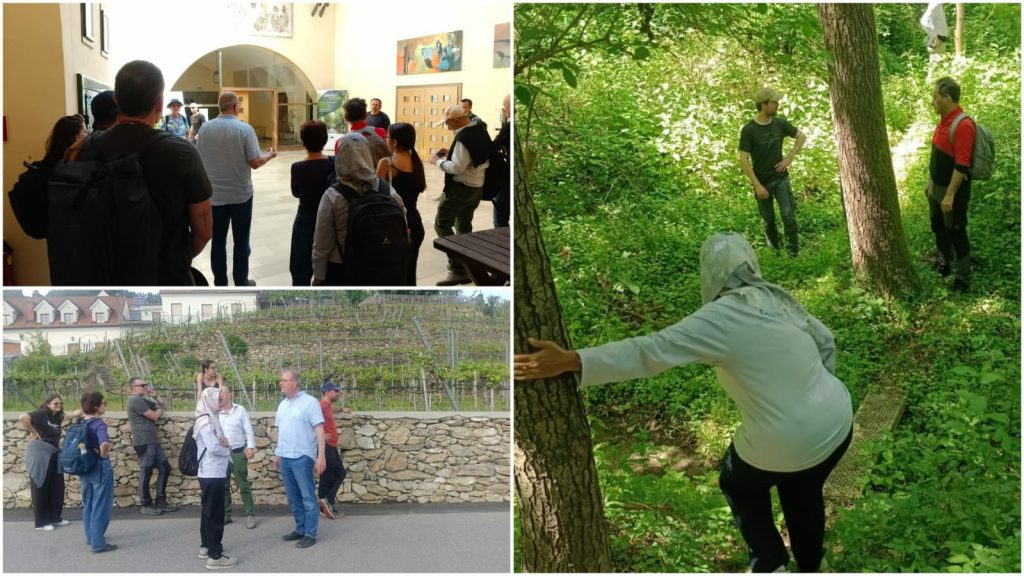
The team also visited the Hydrological Open Air Laboratory (HOAL) Petzenkirchen, a world-class open-air observatory equipped with hundreds of sensors to monitor water dynamics, nutrient flows, and material transport processes in detail.
The visit provided valuable insights into the integration of agricultural systems and water resource management, which may contribute to the development of future sustainable land management models and policies.
Strategic Collaboration with Impact on Research and Society
DTPB FTP UGM’s participation in this international mission reflects a strategic collaboration approach that goes beyond academic activities and aims to generate tangible impacts through research and policy recommendations.
Following the completion of the mission, the research team will continue developing collaborative international manuscripts and policy briefs that can serve as references for governments and stakeholders regarding safe and sustainable soil management.
The active involvement of DTPB FTP UGM in global research networks demonstrates the institution’s commitment to connecting Indonesia’s local knowledge with world-class research capabilities while strengthening higher education’s contribution to achieving the Sustainable Development Goals (SDGs).
Through this international collaboration, DTPB FTP UGM continues to demonstrate its role as an institution that not only produces excellent research but also promotes international partnerships capable of generating meaningful impacts for society and the environment.