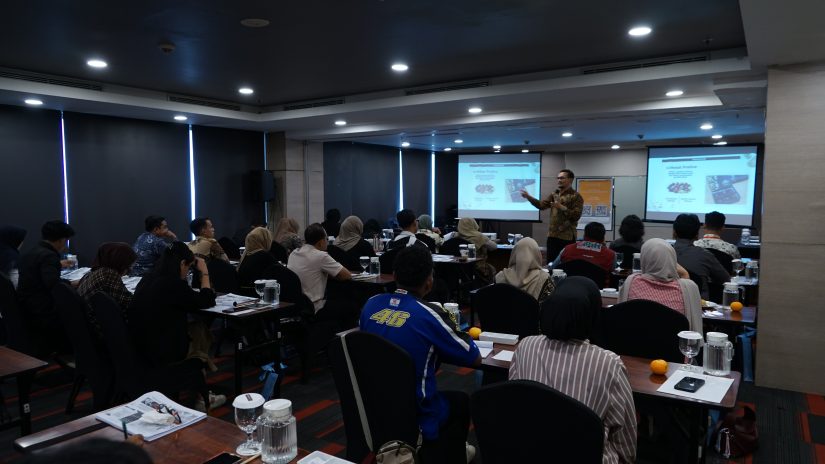
Yogyakarta, August 20, 2026 – Strengthening human resources is one of the key factors in promoting the sustainable development of the cocoa industry. In addition to adequate technology and equipment, cocoa development requires human resources who understand raw material characteristics, processing technologies, and the ability to produce value-added processed products.
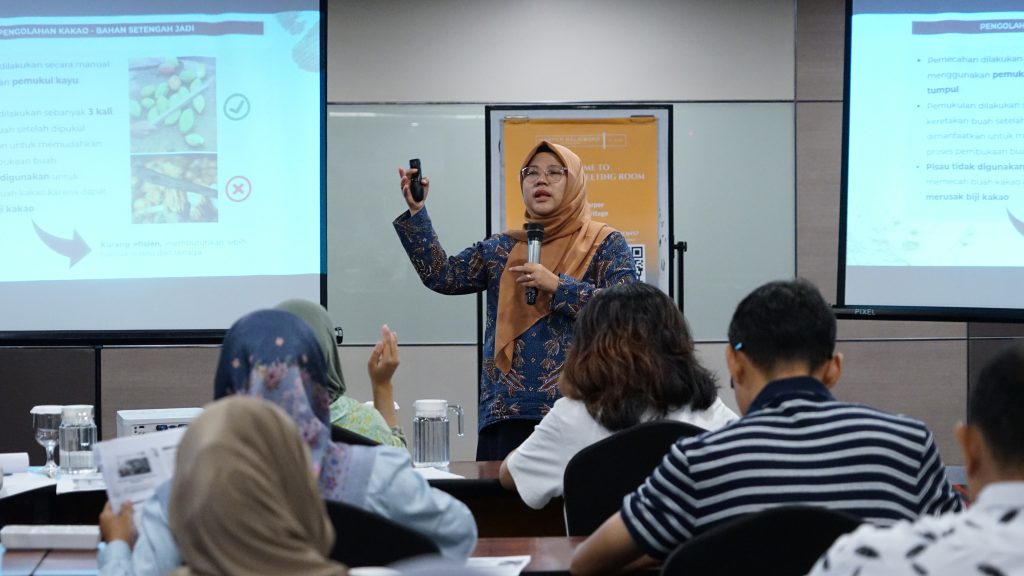
The Department of Agricultural and Biosystems Engineering (DTPB), Faculty of Agricultural Technology, Universitas Gadjah Mada (FTP UGM) contributed to this capacity-building effort through the involvement of several lecturers in the Sustainable Cocoa Capacity and Human Resources Development Training, held from August 19–21, 2026.
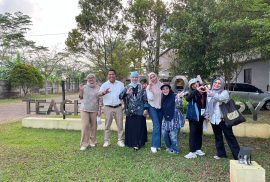
The activity was a collaboration between Faculty of Agricultural Technology, Universitas Gadjah Mada (FTP UGM), Cocoa Teaching and Learning Industry (CTLI) UGM, Ministry of Industry and the FAST (Forest, Agriculture and Sustainable Trade) Project of the United Nations Development Programme (UNDP) Indonesia, along with related partners. The training, held from August 19–21, 2026, combined theoretical learning with hands-on practice.
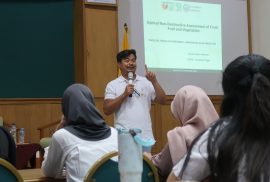
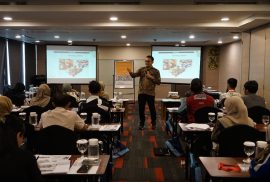
During the program, DTPB FTP UGM lecturers served not only as instructors but also as facilitators during practical sessions on cocoa product processing with the participants.
DTPB Lecturers’ Expertise in Cocoa Processing Training
Four DTPB FTP UGM lecturers participated as instructors throughout the training: Dr. Arifin Dwi Saputro, S.T.P., M.Sc.; Dr. Hanim Zuhrotul Amanah, S.T.P., M.P., Ph.D.; Dr. Devi Yuni Susanti, S.T.P., M.Sc.; and Dr. Sri Rahayoe, S.T.P., M.P.
The involvement of these lecturers brought perspectives from Agricultural and Biosystems Engineering to the training, particularly in raw material handling, postharvest technology, processing, product quality, and the development of processed cocoa products.
The training materials were designed to provide an understanding of the relationship between raw material quality, processing, and final product characteristics. Participants were introduced not only to technical aspects of processing but also encouraged to understand the importance of process control and quality improvement in producing more competitive cocoa products.
From Knowledge to Product Development
The involvement of DTPB FTP UGM lecturers demonstrates the role of higher education institutions in bridging academic knowledge with the needs of industry and community development.
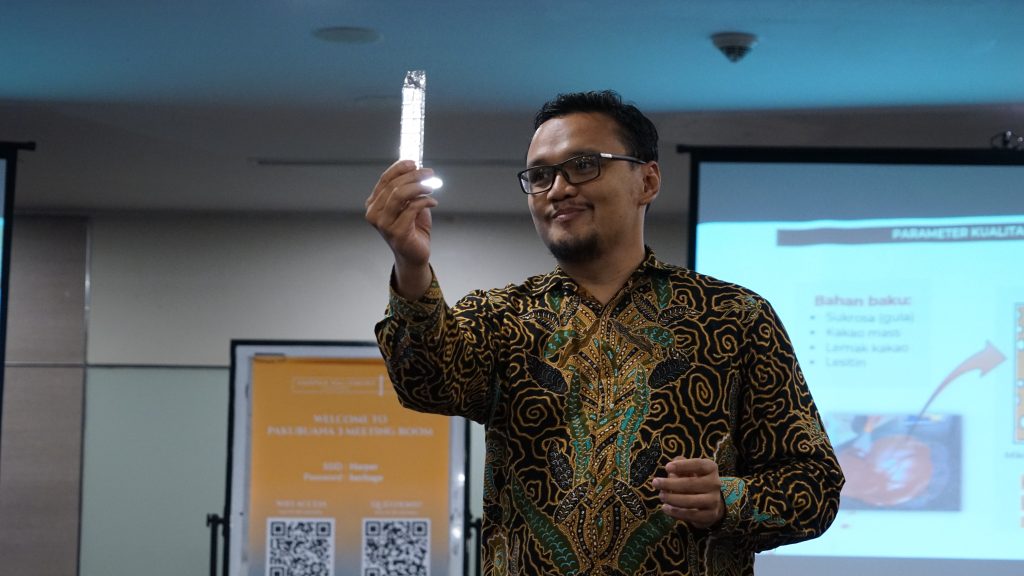
Dr. Arifin Dwi Saputro, S.T.P., M.Sc., selaku koordinator pelatihan, turut menekankan pentingnya peningkatan kapasitas peserta agar mampu mengembangkan produk dengan kualitas yang lebih baik dan memenuhi standar yang lebih tinggi.
“With this training, we hope that all participants can move up to the next level, in the sense that they can produce chocolate products that meet international standards,” said Dr. Arifin.
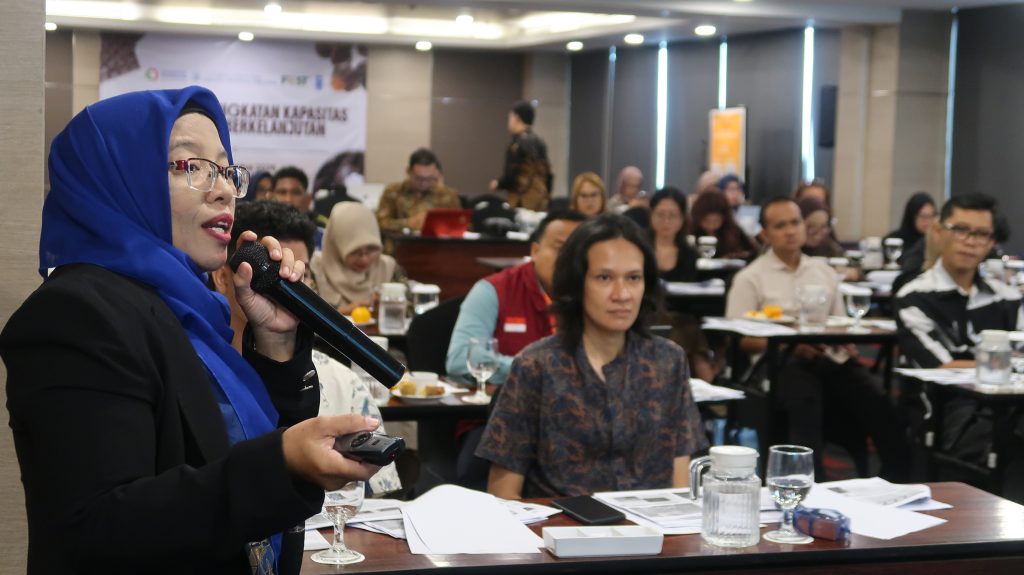
Meanwhile, Dr. Hanim Zuhrotul Amanah and Dr. Devi Yuni Susanti provided training related to processing and product quality as part of efforts to strengthen participants’ competencies in developing cocoa commodities.
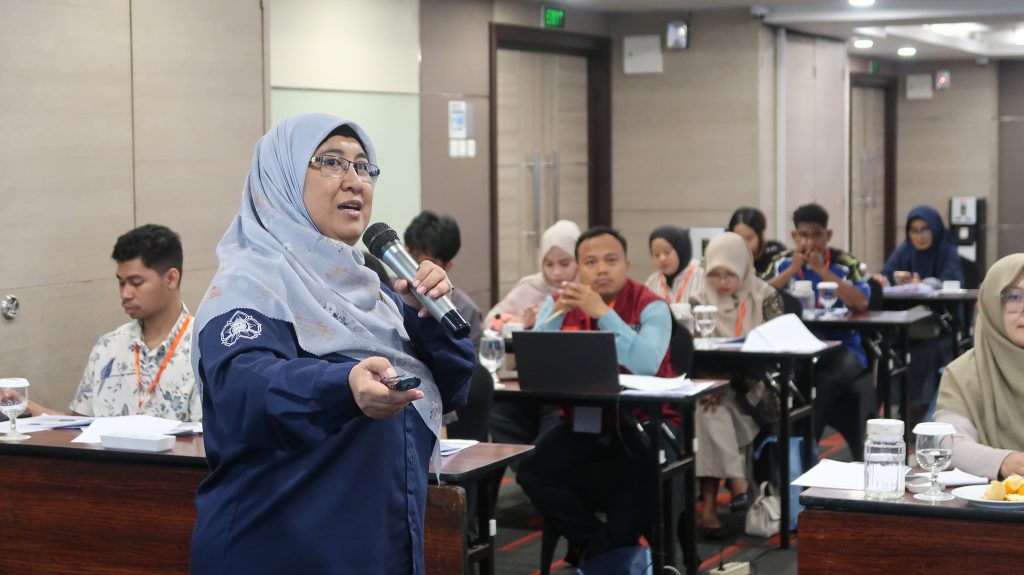
During the product development session, Dr. Sri Rahayoe provided training that guided participants in understanding the development of processed cocoa products. The material encouraged participants to view cocoa not only as a raw material but also as a commodity with opportunities for further development into higher value-added products.
DTPB Lecturers Facilitate Cocoa Processing Practice
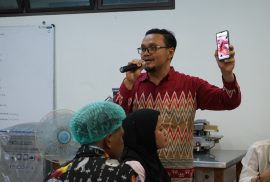
In addition to delivering training materials, DTPB FTP UGM also contributed to the practical session held on August 20, 2026. Hilda Maya Sintia Dewi, S.T.P., M.Sc. and Dwi Ayuni, Ph.D. guided participants through practical activities involving chocolate-based products.
During the practical session, participants gained direct experience in processing cocoa into various products. Activities included making tablea or chocolate beverages, tempering and producing chocolate bars enriched with active compounds, and making pralines.
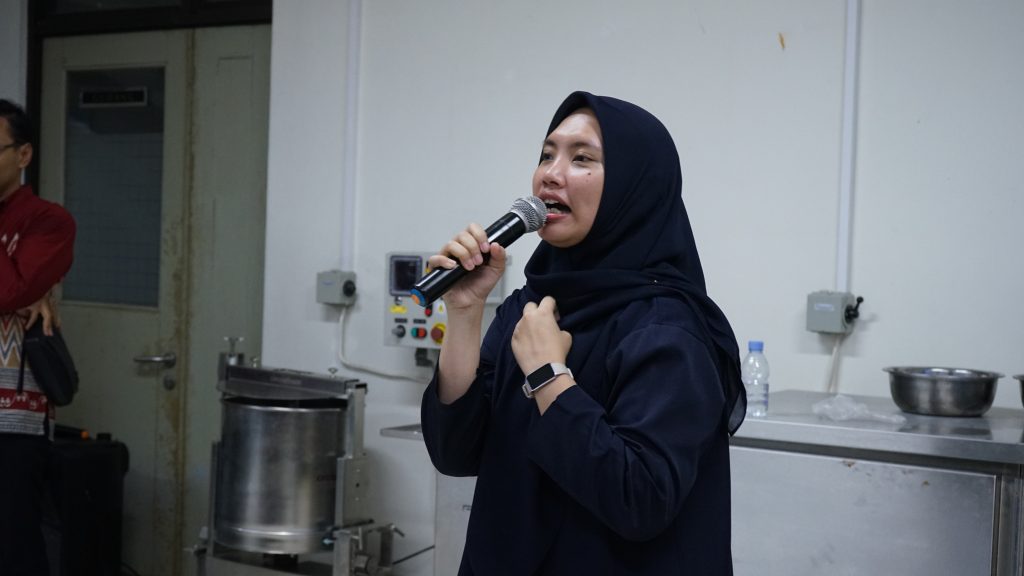
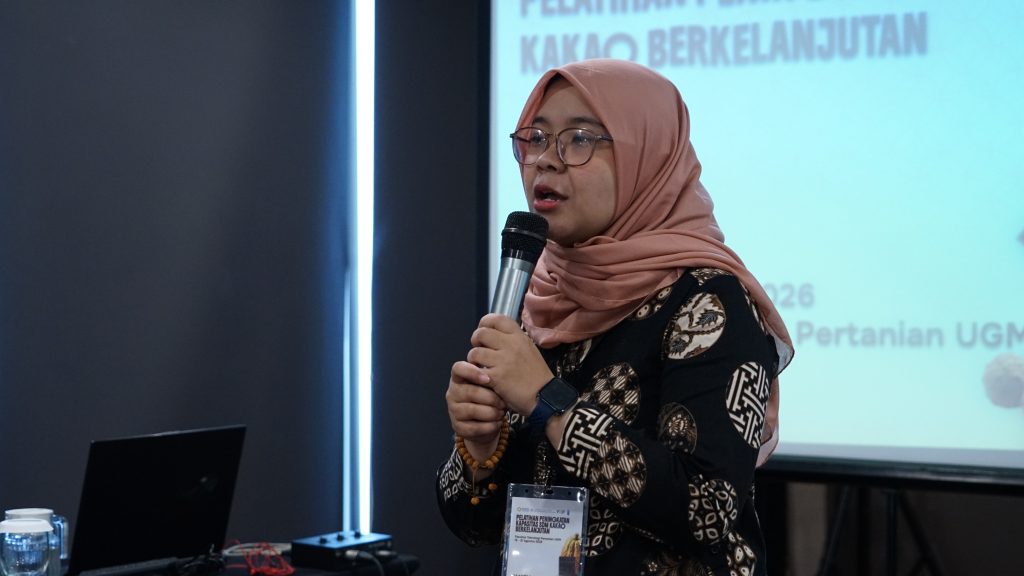
Direct facilitation enabled participants to apply the knowledge gained during the learning sessions to actual processing activities. Participants were also able to gain a more concrete understanding of the production stages, including how processing conditions influence the characteristics of the resulting products.
The involvement of DTPB FTP UGM lecturers and facilitators in the practical sessions also created opportunities for interaction between participants and instructors to discuss various technical issues encountered during processing.