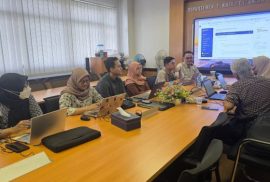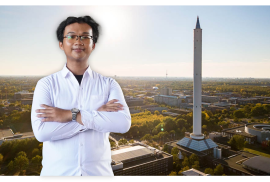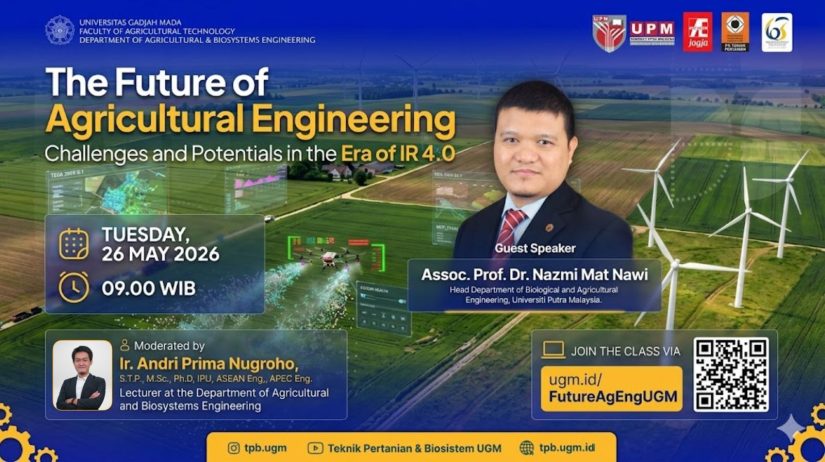
Yogyakarta, May 26, 2026 – The Department of Agricultural and Biosystems Engineering (DTPB), Faculty of Agricultural Technology, Universitas Gadjah Mada (FTP UGM), continued its commitment to expanding students’ international exposure by organizing an international guest lecture titled “The Future of Agricultural Engineering: Challenges and Potentials in the Era of IR 4.0.” The event featured Assoc. Prof. Dr. Nazmi Mat Nawi, Head of the Department of Biological and Agricultural Engineering, Faculty of Engineering, Universiti Putra Malaysia (UPM), as the keynote speaker.
The guest lecture, held at DTPB FTP UGM, was moderated by Ir. Andri Prima Nugroho, S.T.P., M.Sc., Ph.D., lecturer of the Engineering Profession course. The event provided students with a global academic platform to gain insights into the development of agricultural engineering, particularly in responding to the transformation of agriculture toward digitalization and the Industrial Revolution 4.0.
Strengthening Students’ Global Exposure
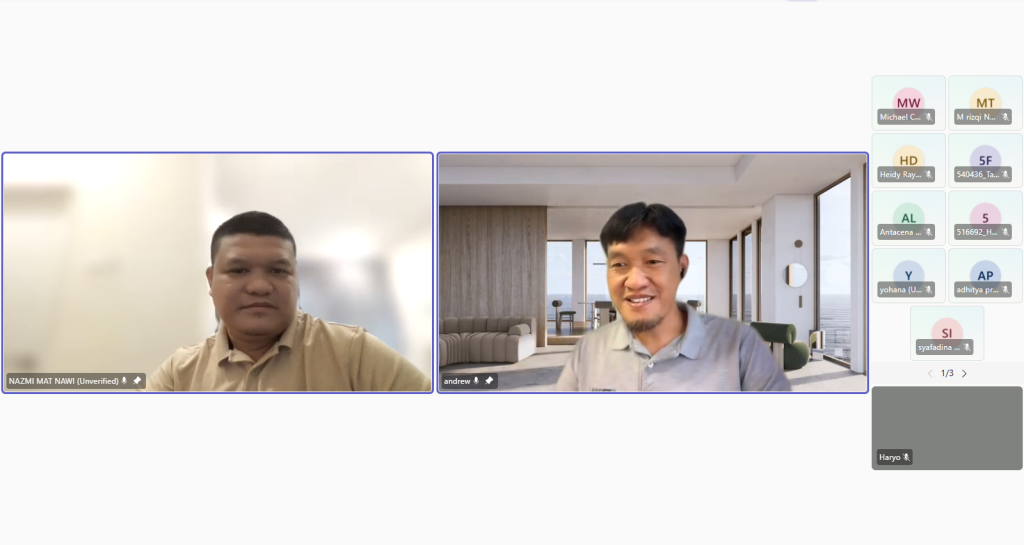
The event was opened by Dr. Arifin Dwi Saputro, Head of the Department of Agricultural and Biosystems Engineering, who emphasized the importance of broadening students’ international perspectives as part of DTPB FTP UGM’s commitment following its international accreditation achievement.
“One of our responsibilities after obtaining international accreditation is ensuring that students gain global exposure. Guest lectures like this serve as a medium to broaden perspectives and introduce new insights into the future of the agricultural engineering profession,” he stated.
According to Dr. Arifin, direct interaction with academics from different countries plays an important role in preparing graduates who are adaptive and globally competitive.
Becoming Engineers Who Solve Problems
In his opening remarks, Prof. Nazmi encouraged students to understand the fundamental identity of engineers.
“We need to understand who we are. We are engineers trained scientifically, mathematically, and statistically. With these competencies, our mission is to solve problems,” he said.
He explained that engineers are not merely expected to create technologies that function properly, but also technologies that operate at the highest level of optimization, efficiency, economic value, and sustainability.
“As engineers, we create machines that do not simply function—they must perform optimally, efficiently, economically, and sustainably,” he added.
Agriculture 4.0 Built on Digital Infrastructure
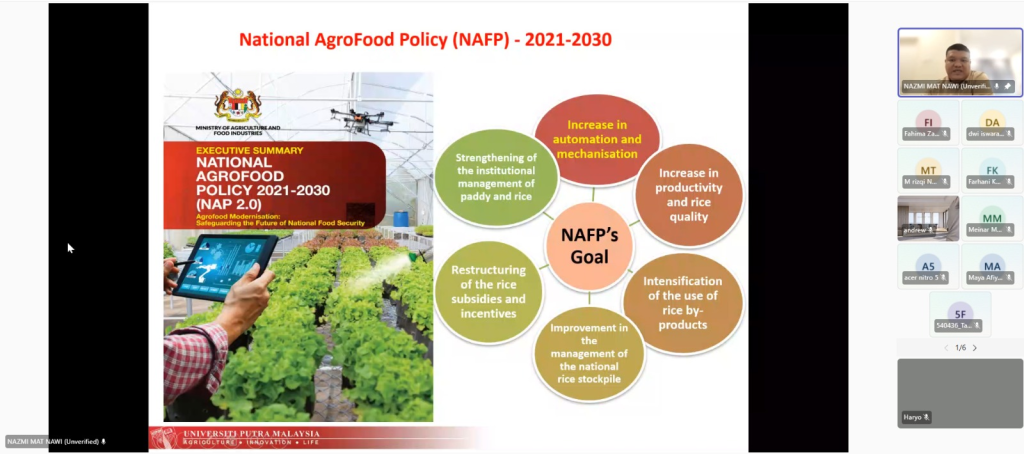
Moving into the core discussion, Prof. Nazmi explained that Agriculture 4.0 represents a transformation of agricultural systems built upon interconnected digital infrastructure.
The concept enables agricultural land to be connected through sensors that allow real-time monitoring from remote locations. Technologies such as drones, unmanned vehicles, and autonomous tractors have become essential components of modern agricultural ecosystems.
However, he emphasized that significant challenges remain in adopting Agriculture 4.0.
Several key challenges highlighted included:
- Hardware: reliable sensors capable of producing accurate data;
- The Brain: analytical capabilities for processing and interpreting data;
- People: skilled human resources with expertise in electronics, programming, and data science;
- Mobility: systems capable of remote accessibility and monitoring;
- Infrastructure: long-term investment to sustain smart farming ecosystems.
According to Prof. Nazmi, future agricultural technologies will not solely depend on advanced devices but also on people’s ability to utilize and interpret data effectively.
Students Enthusiastically Discuss Global Opportunities
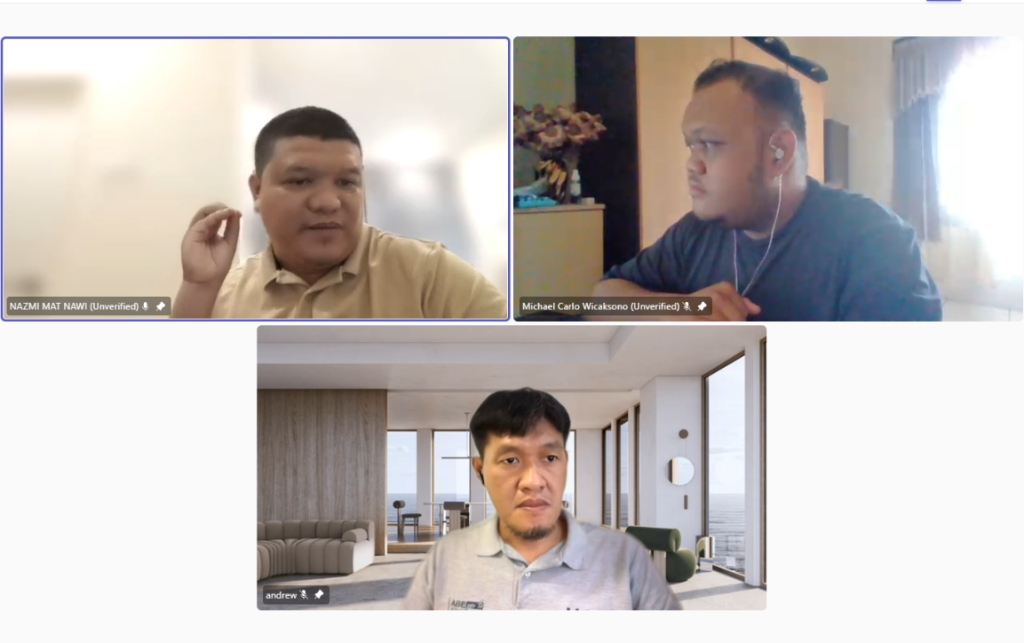
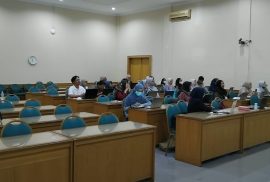
The guest lecture proceeded interactively with enthusiastic participation from students. During the discussion session, students raised questions regarding research opportunities, scholarship schemes, international collaborations, career prospects for agricultural engineers in Malaysia, and strategies for completing capstone projects required in UGM’s undergraduate Agricultural Engineering program.
Responding to questions regarding project selection, Prof. Nazmi shared motivational advice:
“When choosing a project, choose the most challenging one. Challenge yourself.”
Toward the end of the session, Prof. Nazmi also reflected on the position of agricultural engineering within today’s competitive labor market. He acknowledged that agricultural engineering may not yet be as widely recognized as other disciplines, making self-promotion and professional identity increasingly important.
“Amid intense competition in the job market, agricultural engineering may not yet be a popular field. Therefore, you must promote yourselves, your expertise, and your academic programs so that agricultural engineering becomes more widely recognized,” he explained.
He further emphasized that despite not always being considered a mainstream discipline or major economic contributor, agricultural engineering plays a fundamental role in sustaining global food systems.
“We may not be a mainstream discipline, but we are the backbone of food security,” Prof. Nazmi concluded.
Through this international guest lecture, DTPB FTP UGM reaffirmed its commitment to strengthening global academic networks while preparing students for the future of agricultural engineering in the era of digital transformation. Beyond introducing technological developments in Agriculture 4.0, the event also reinforced students’ awareness of agricultural engineering’s strategic role as the backbone of food security. In a rapidly changing global workforce landscape, agricultural engineering graduates are expected not only to master technology but also to demonstrate their expertise and contributions in addressing future food security challenges.