Gunungkidul, June 8, 2026 – Amid the challenges of limited fertile land and water availability that characterize karst landscapes, Umbulrejo Village possesses significant potential for agricultural development and community-based economic growth. These opportunities became the focus of a Focus Group Discussion (FGD) organized by the Department of Agricultural and Biosystems Engineering (DTPB), Faculty of Agricultural Technology, Universitas Gadjah Mada (FTP UGM), in collaboration with the village government and local community. The discussion served as the initial step in developing the grand design for the Yanmar Environmental Sustainability Support Agency (YESSA) Program. The forum provided a platform for identifying local challenges, exploring development opportunities, and formulating sustainable strategies aimed at improving community welfare while preserving the environment.
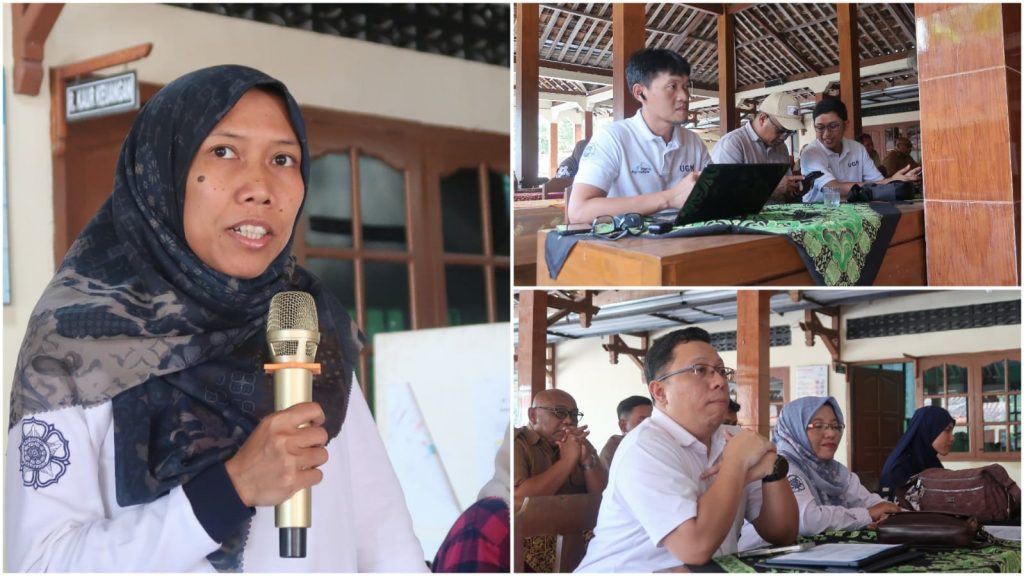
The FGD, held on June 8, 2026, was part of the initiation phase of the YESSA Program implemented by the DTPB FTP UGM Community Service Team in Umbulrejo Village, Ponjong District, Gunungkidul Regency. The program is led by Prof. Dr. Lilik Sutiarso and involves several lecturers and students from DTPB FTP UGM in designing a community empowerment program based on local needs and regional potential.
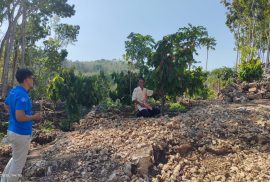
Umbulrejo Village is located in Ponjong District, Gunungkidul Regency, Special Region of Yogyakarta, Indonesia. The village is characterized by a karst landscape dominated by limestone hills and limited water availability, particularly during the dry season. Despite these agroecological constraints, local communities have successfully developed agricultural activities as their primary livelihood, cultivating commodities such as rice, cassava, maize, cocoa, coconut, avocado, and durian.
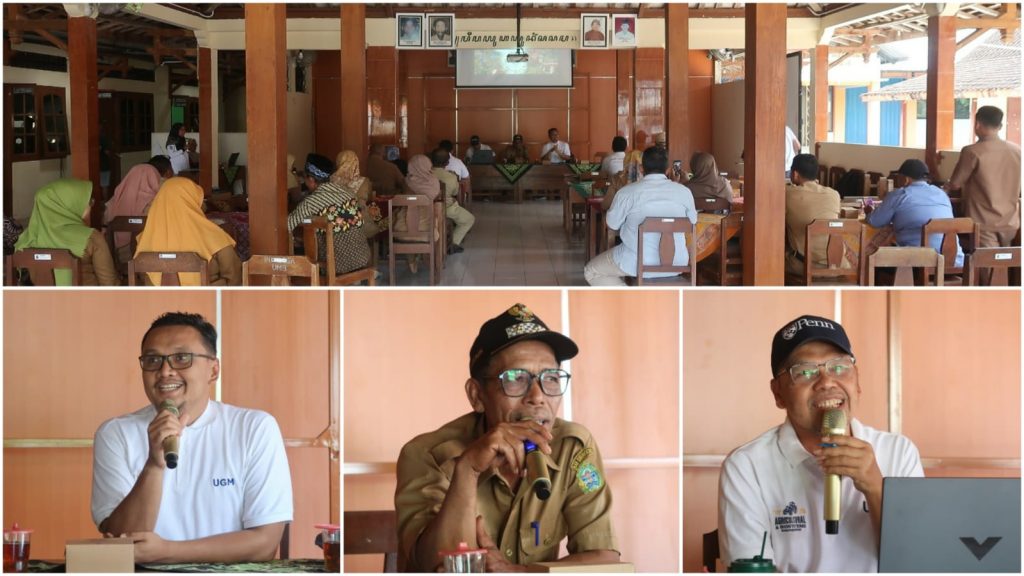
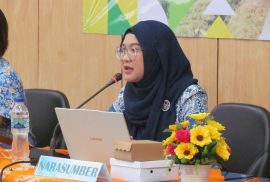
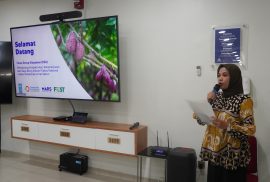
Opening the event, Dr. Arifin Dwi Saputro, S.T.P., M.Sc., introduced the academic team involved in the program and provided an overview of DTPB FTP UGM to participants, including village officials, hamlet leaders, farmer groups, and community representatives.
“Through this FGD, we hope to listen directly to the challenges and opportunities that exist in Umbulrejo Village so that DTPB FTP UGM can work together with the community to develop programs that provide real benefits for the village,” he stated.
Meanwhile, Wukimin, Head of Umbulrejo Village, expressed his appreciation for the planned community service initiative. According to him, Umbulrejo has several promising agricultural commodities, including rice, cassava, cocoa, avocado, and durian.
“We welcome this program and hope it can help maximize the village’s agricultural potential. We are grateful to the DTPB FTP UGM team for choosing Umbulrejo as a partner village and for supporting our community in developing its local resources,” he said.
During the introductory session, Prof. Lilik Sutiarso explained that the Yanmar Environmental Sustainability Support Agency (YESSA) is a program supported by Yanmar and entrusted to DTPB FTP UGM for implementation in Indonesia. The initiative aims to develop agricultural engineering-based solutions that address rural development challenges.
According to Prof. Lilik, one of Umbulrejo’s most unique characteristics is its ability to sustain agricultural production despite being located in a karst area with limited soil fertility and water resources.
“What makes Umbulrejo particularly interesting is how the community has managed to cultivate productive agricultural land within a karst environment. The primary challenges are land and water resources, and these are the issues we aim to address while improving livelihoods and environmental sustainability,” he explained.
He also highlighted the untapped potential of local commodities such as coconut and cocoa.
“One issue we have identified is that coconuts currently have limited economic value. However, we possess expertise in processing coconut-derived products that could increase their value. Likewise, cocoa has strong potential to be developed into specialty products with higher market value,” he added.
Prof. Lilik emphasized that the YESSA Program is designed not only to provide technical assistance in agricultural production but also to support product marketing and commercialization.
The community service program is structured around four major areas: agricultural land management, postharvest development and product downstreaming, circular agricultural waste management, and community empowerment through social institutional engineering.
In the area of land management, the team aims to optimize karst landscapes for greater economic benefits. For postharvest development, villagers are encouraged to process agricultural commodities into value-added products rather than selling raw materials.
“We want local communities to transform agricultural products into market-ready goods with higher economic value. Cocoa, for example, has strong potential to become a specialty product that can compete in premium markets,” he explained.
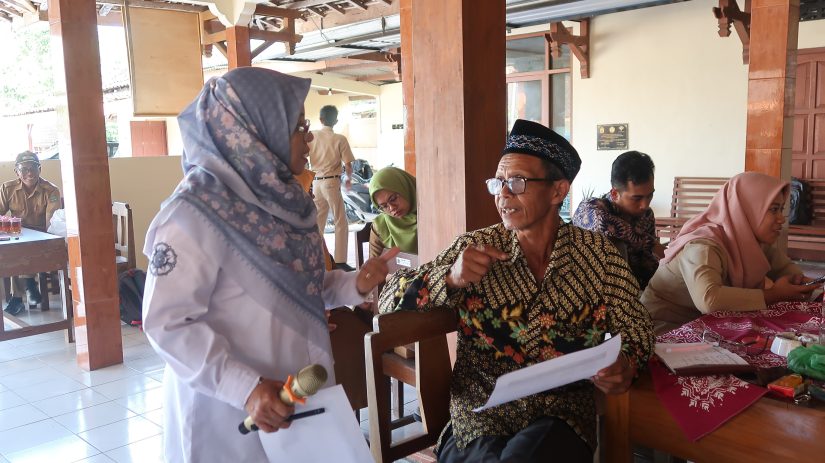
The discussion session was facilitated by Dr. Devi Yuni Susanti, S.T.P., M.Sc., who invited participants to share the challenges faced in their respective hamlets.
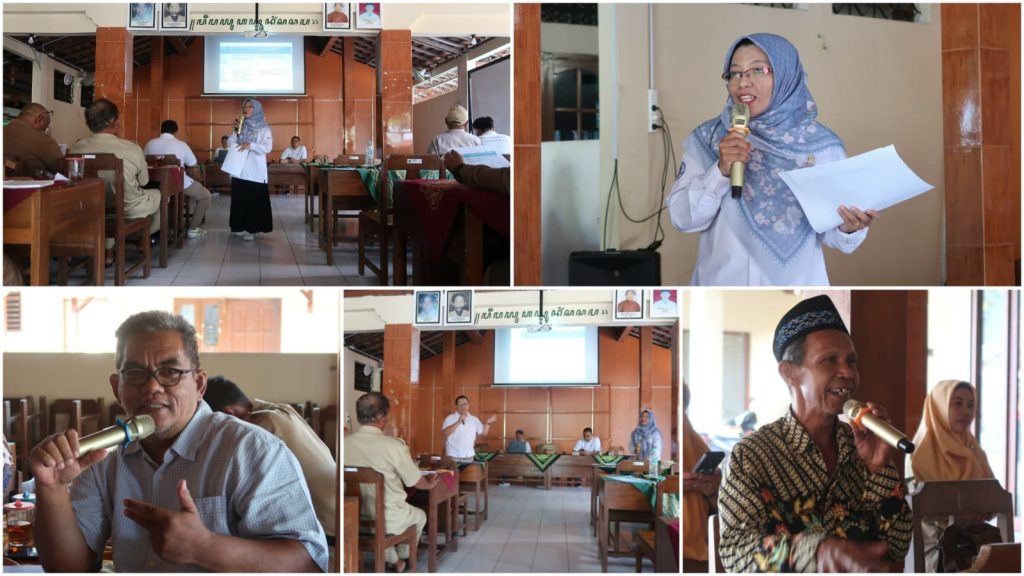
One participant, Wiyono (56), a cocoa farmer from Umbulrejo Village, explained that the main challenges extend beyond cultivation techniques and include human resource development and continuity of assistance programs.
“The biggest challenge is actually human resources and social factors. Many training programs have been implemented, but they often end without follow-up mentoring, making it difficult for communities to sustain progress,” he said.
He also highlighted water scarcity as a major obstacle for agriculture in the karst region.
“At present, the community relies heavily on water from the Gremeng River. During the dry season, competition for water among rice fields, corn farms, and plantations becomes intense. Infrastructure already exists, but challenges remain in water distribution and groundwater utilization, particularly in Blimbing Hamlet,” he explained.

The discussion identified several strategic issues requiring attention. Product packaging and marketing were recognized as the primary challenges faced by local farmers and rural enterprises. At the same time, market opportunities remain available through traditional markets and souvenir outlets that have not yet been fully utilized.
The potential of rural tourism was also discussed, including Gua Cokro, which participants believe still has opportunities for development despite currently attracting a limited number of visitors.
At the conclusion of the FGD, community members expressed their hope that the YESSA Program would mark the beginning of a long-term collaboration between DTPB FTP UGM, village authorities, farmer groups, and local residents.
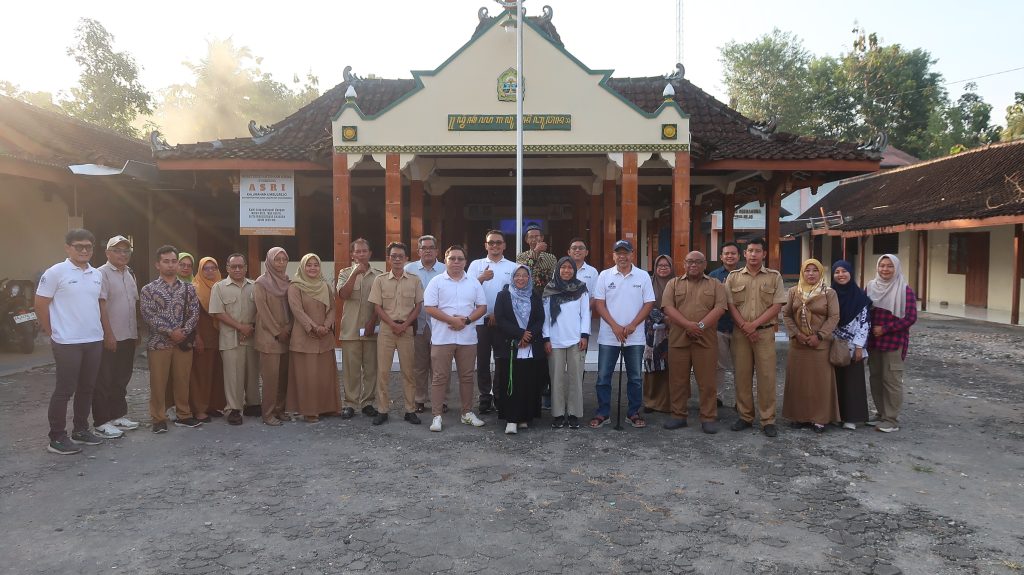
Through the development of this grand design, DTPB FTP UGM aims to formulate a community service program that addresses not only technical agricultural challenges but also economic, social, and environmental issues in an integrated manner. The collaboration is expected to position Umbulrejo Village as a model for sustainable agricultural development in karst regions that can be replicated in other areas.