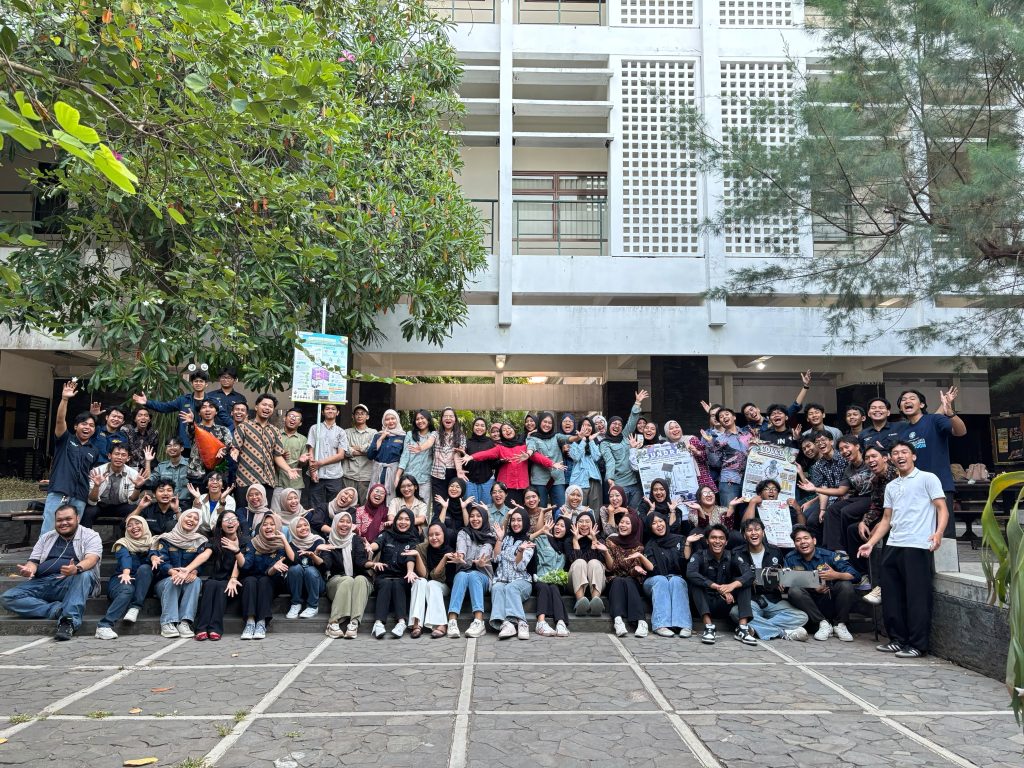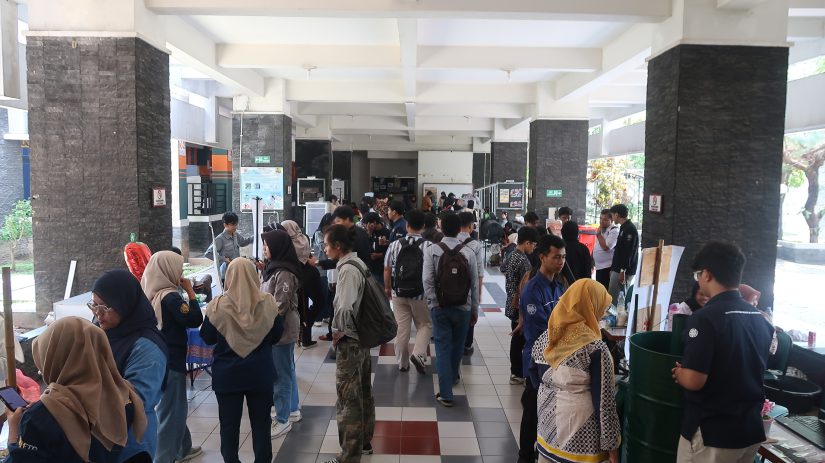
Yogyakarta, June 11, 2026 – Demonstrating how engineering education can generate tangible solutions for society, the Department of Agricultural and Biosystems Engineering (DTPB), Faculty of Agricultural Technology, Universitas Gadjah Mada (FTP UGM), organized the Biosystems Engineering Design Expo 2026 at the FTP UGM Hallway. The event featured 15 student teams presenting innovative technologies developed through their capstone design projects, each aimed at addressing real challenges faced by farmers, agribusinesses, and local communities while maintaining technical feasibility and economic efficiency.
The exhibition showcased the outcomes of the Biosystems Engineering Design course, one of the department’s capstone design courses that serves as the culmination of students’ learning experiences throughout their undergraduate studies. Through this course, students work collaboratively to develop engineering-based solutions that integrate scientific knowledge, technical skills, and practical problem-solving approaches.
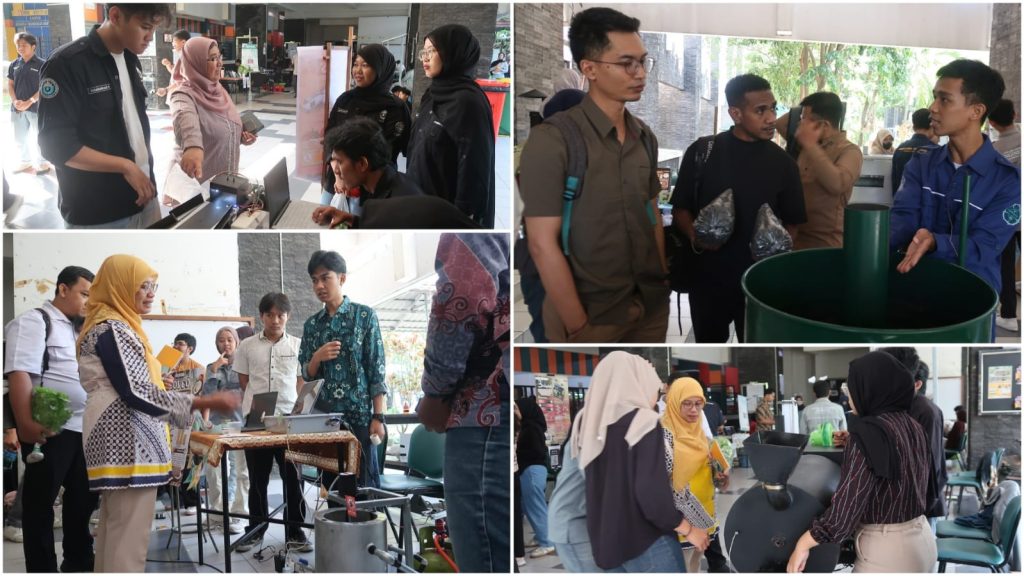
Each team was guided by an assigned faculty supervisor who provided mentorship and technical consultation throughout the design process. The supervisors assisted students in evaluating design alternatives, making engineering decisions, and ensuring that the proposed technologies met both technical and practical requirements.
The Biosystems Engineering Design course is structured to encourage students to develop realistic and implementable solutions by considering various real-world constraints, including technical performance, material availability, manufacturing feasibility, energy efficiency, operational costs, environmental impacts, and field applicability.
In addition to strengthening engineering competencies, the course encourages students to identify and utilize local and national resources while maintaining a global perspective on technological innovation. This approach equips graduates with the ability to develop context-specific solutions that can contribute to the advancement of agriculture and biosystems sectors.
The projects presented at the expo reflected a wide range of agricultural and biosystems challenges, demonstrating the diversity of issues encountered by farmers, food processors, and rural communities. Through these projects, students showcased their ability to translate theoretical knowledge into practical engineering innovations that have the potential to create real impacts in society.
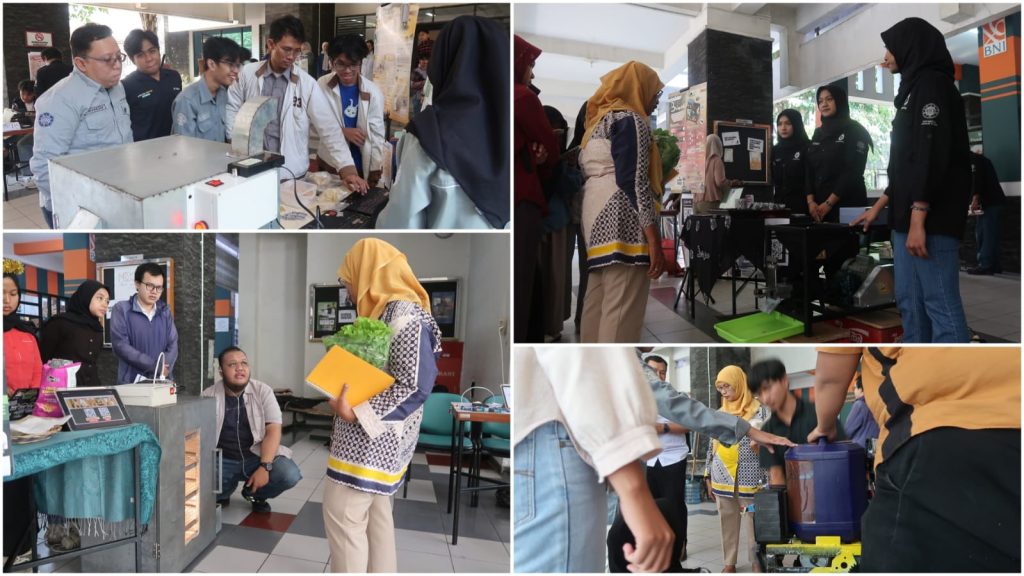
All design activities were conducted under close supervision from faculty members throughout the semester, ensuring that students gained not only technical expertise but also valuable experience in teamwork, project management, communication, and professional decision-making.
Through the Biosystems Engineering Design Expo 2026, DTPB FTP UGM reaffirmed its commitment to producing graduates who are innovative, adaptive, and capable of contributing to the advancement of agricultural and biosystems technology in Indonesia. The event also highlighted the department’s dedication to strengthening experiential learning and fostering engineering solutions that directly address societal needs and support sustainable development.