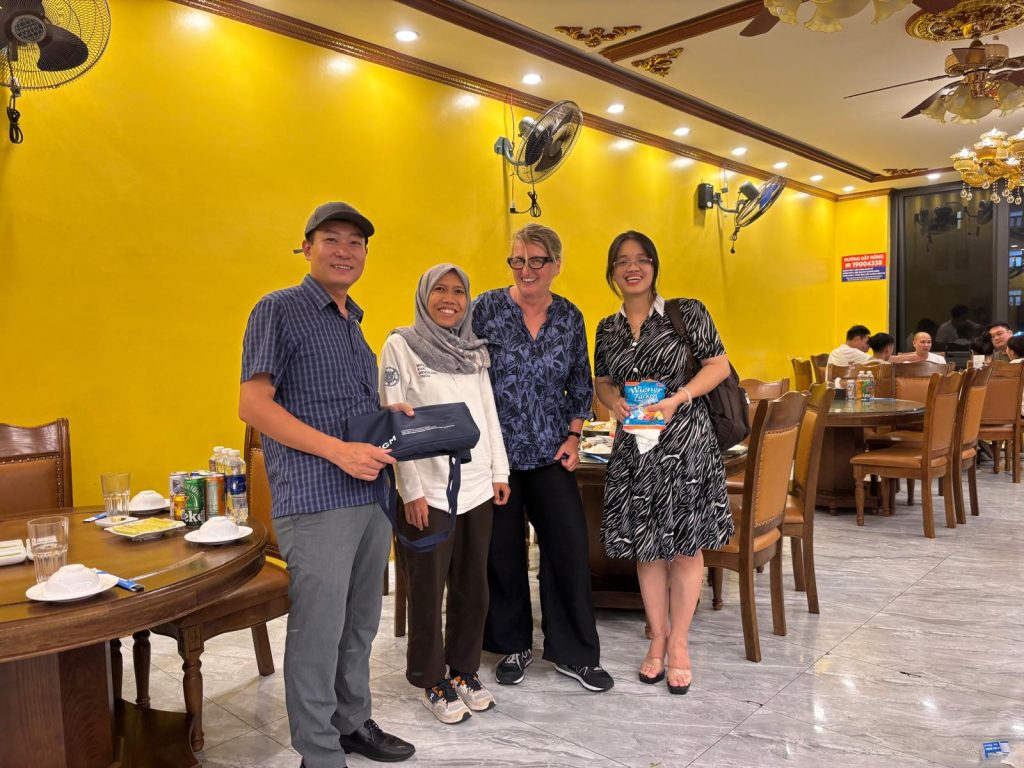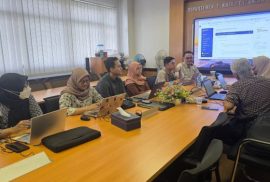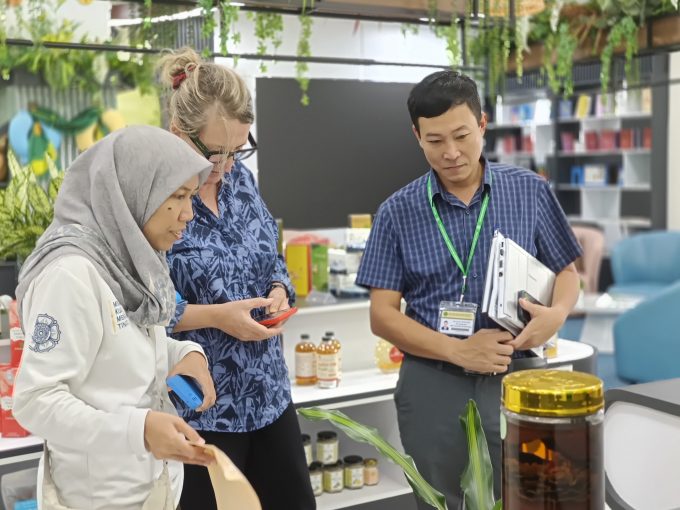
Hanoi, July 8–11, 2026 – Strengthening international collaboration is becoming increasingly important in addressing global agricultural challenges, particularly those related to soil degradation, environmental pollution, and sustainable food production. As part of this commitment, the Department of Agricultural and Biosystems Engineering (DTPB), Faculty of Agricultural Technology, Universitas Gadjah Mada (FTP UGM), together with BOKU University, Austria, conducted an academic visit to the Vietnam National University of Agriculture (VNUA), Hanoi, from July 8–11, 2026. The visit not only reinforced the ongoing ASEA-UNINET research collaboration but also resulted in the establishment of a new trilateral research initiative involving Indonesia, Vietnam, and Austria.
Strengthening ASEA-UNINET Research Collaboration
The UGM delegation was led by Dr. nat. techn. Rizki Maftukhah, S.T.P., M.Sc., accompanied by Priv.-Doz. Rebecca Hood-Nowotny, M.B.A., Ph.D. from BOKU University, Austria. During the visit, the delegation was welcomed by Vo Huu Cong, Ph.D., Associate Professor and Vice Dean of the Faculty of Natural Resources and Environment, Vietnam National University of Agriculture (VNUA), together with doctoral researcher Nguyễn Thị Thu Hà.

The meeting served as an important milestone in advancing the ASEA-UNINET collaborative research project entitled “Use of Locally Available Soil Amendments to Reduce Heavy Metal Concentrations in Important Food Crops.”
The project brings together researchers from Universitas Gadjah Mada (Indonesia), BOKU University (Austria), and Vietnam National University of Agriculture (Vietnam) to investigate sustainable soil management strategies through the utilization of locally available soil amendments to reduce heavy metal contamination in food crops.
Through collaborative research, the consortium aims to develop practical and environmentally friendly approaches that can improve soil quality, reduce contamination risks, and enhance food safety, particularly in agricultural areas affected by heavy metal pollution.
Expanding International Collaboration through the KoeF Project
Beyond reviewing the progress of the ASEA-UNINET project, discussions during the visit also focused on expanding long-term collaboration among the three institutions.
One of the most significant outcomes of the meeting was the successful establishment of a new Kooperation Entwicklungsforschung (KoeF) Project for the 2026–2028 period entitled:
“Enhancing Soil Health in Contaminated Rice Fields: Assessing Local Remediation Strategies in Indonesia and Vietnam.”
The newly approved project aims to evaluate locally available remediation techniques for restoring soil health in contaminated rice-growing areas in both Indonesia and Vietnam.
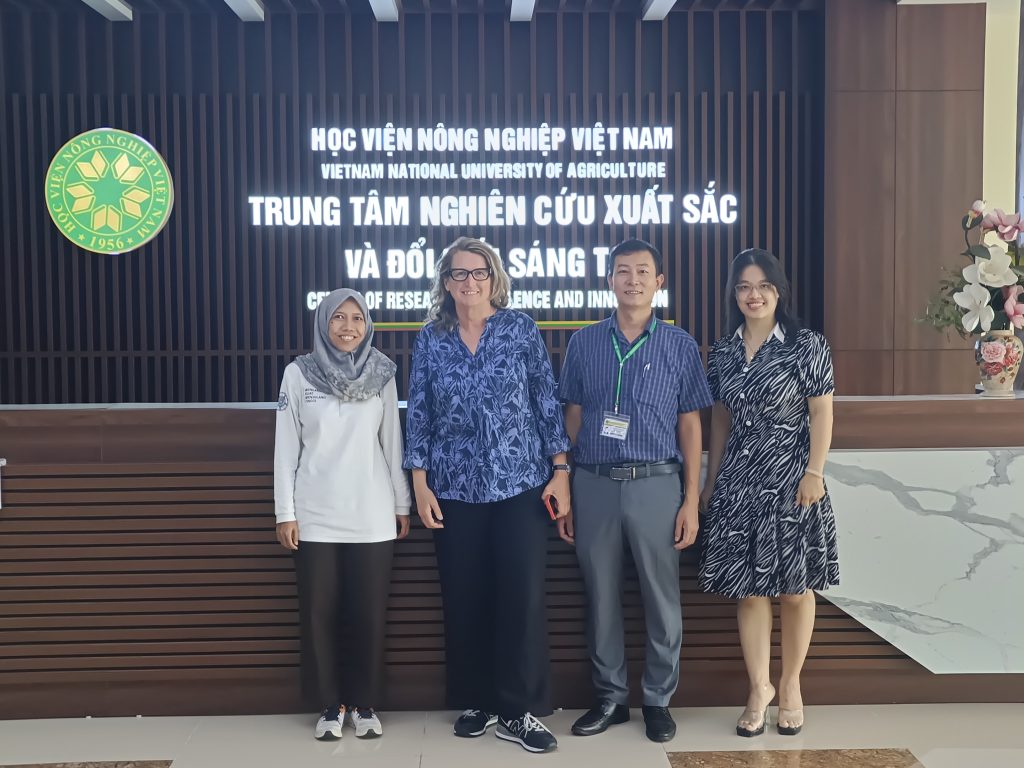
By integrating expertise from the three partner universities, the project seeks to generate science-based solutions that improve soil fertility, reduce environmental risks, and strengthen the resilience of agricultural systems under increasing environmental pressures.
Promoting Sustainable Agriculture through International Partnerships
Throughout the discussions, researchers exchanged knowledge on sustainable soil management, environmental remediation, agricultural engineering, and future opportunities for collaborative research and academic exchange.
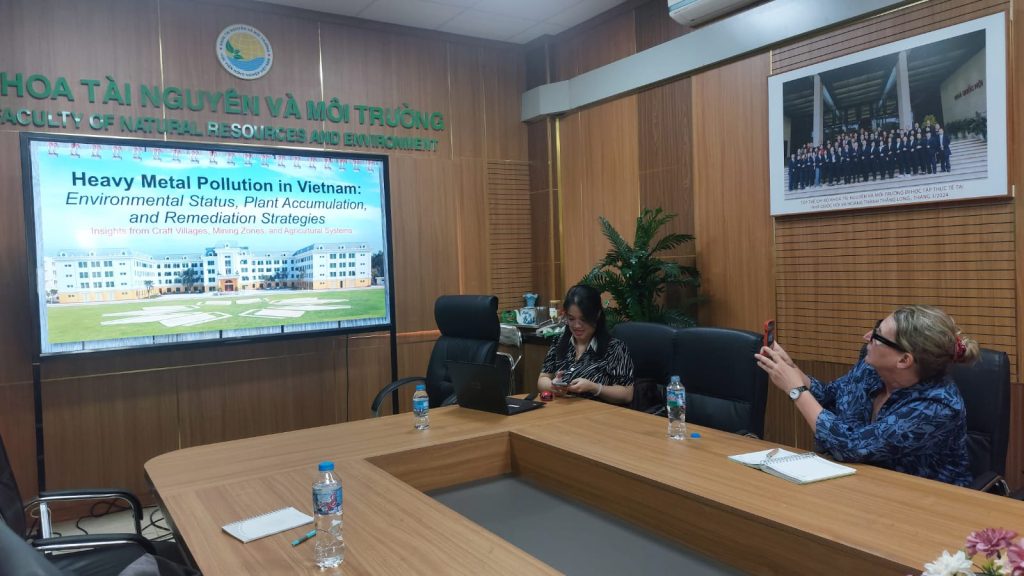
The meeting also explored broader opportunities for joint publications, researcher mobility, student exchanges, and future international funding initiatives to further strengthen academic cooperation among the participating institutions.
The visit demonstrates DTPB FTP UGM’s continued commitment to expanding its international research network through strategic partnerships with leading universities worldwide. By fostering collaboration between Indonesia, Austria, and Vietnam, the initiative contributes not only to scientific advancement but also to the development of practical technologies and sustainable solutions for addressing environmental challenges in agriculture.