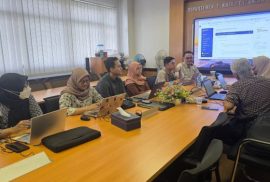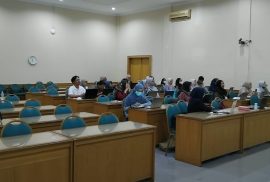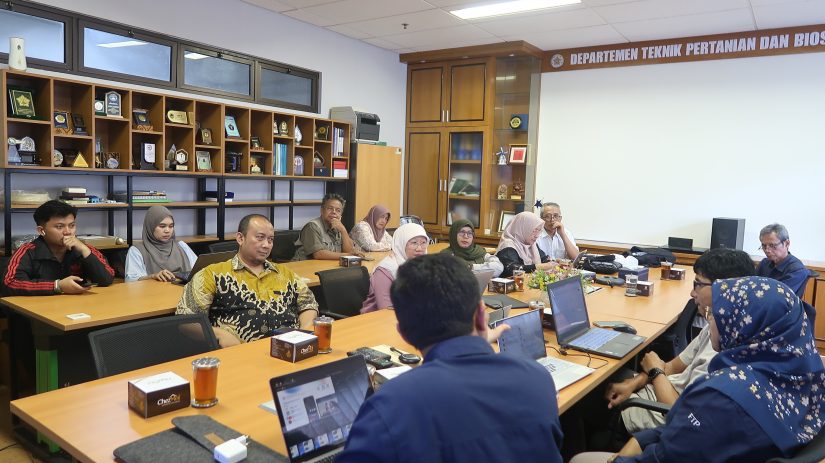
Yogyakarta, July 22, 2026 – Strengthening the quality of higher education requires close collaboration among universities through the exchange of experiences and best practices, particularly in curriculum development, quality assurance systems, and study program accreditation. In line with this commitment, the Department of Agricultural and Biosystems Engineering (DTPB), Faculty of Agricultural Technology, Universitas Gadjah Mada (FTP UGM) welcomed an academic delegation from the Department of Agricultural and Biosystems Engineering, Faculty of Agro-Industrial Technology, Universitas Padjadjaran (Unpad) on Tuesday (July 22). Held at the DTPB FTP UGM Meeting Room, the visit served as a platform for academic discussion and the exploration of future collaboration in advancing higher education in agricultural and biosystems engineering.
Strengthening Inter-University Collaboration
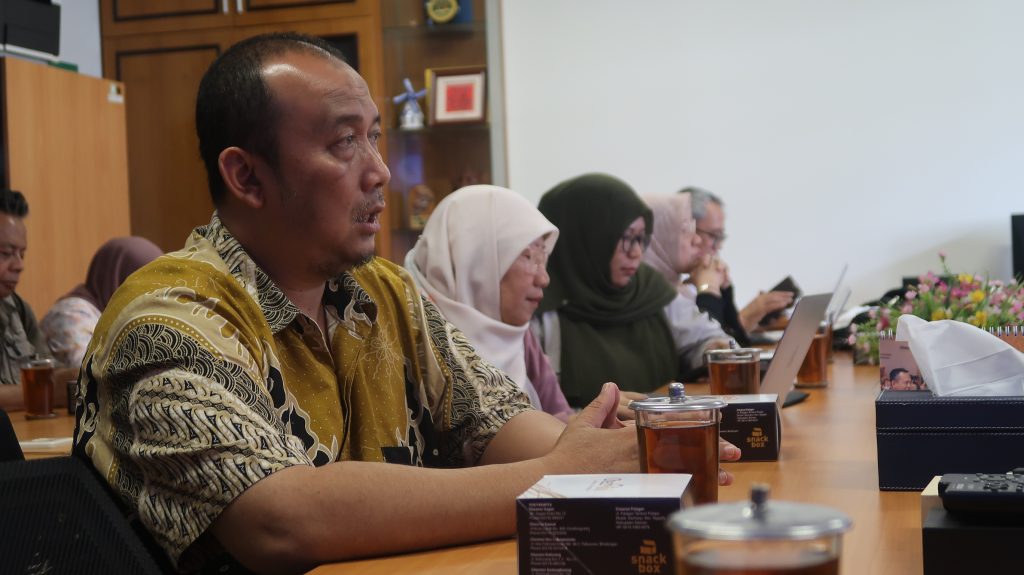
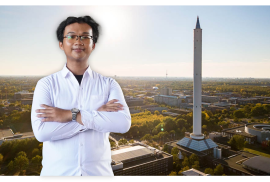
The Universitas Padjadjaran delegation was led by Prof. Dr. Ir. Sarifah Nurjanah, M.App.Sc., Head of the Department of Agricultural and Biosystems Engineering, Faculty of Agro-Industrial Technology. The delegation also included Dr. Wakyu Kristian Sugandi, S.TP., M.Si., Head of the Undergraduate Program in Agricultural Engineering.
The delegation was welcomed by Dr. Chandra Setyawan, S.T.P., M.Eng., Secretary of the Department of Agricultural and Biosystems Engineering at FTP UGM, together with Dr. Sri Markumningsih, S.T.P., M.Eng., Department Treasurer. The meeting was also attended by Dr. Hanim Zuhrotul Amanah, S.T.P., M.Sc., Head of the Master’s Program in Agricultural Engineering, along with several faculty members, including Prof. Dr. Ir. Bambang Purwantana and Dr. Radi, S.T.P., M.Eng.
The discussion was conducted in a warm and collaborative atmosphere, reflecting both institutions’ commitment to enhancing educational quality and strengthening academic partnerships in agricultural and biosystems engineering.
Sharing Best Practices in Curriculum Development
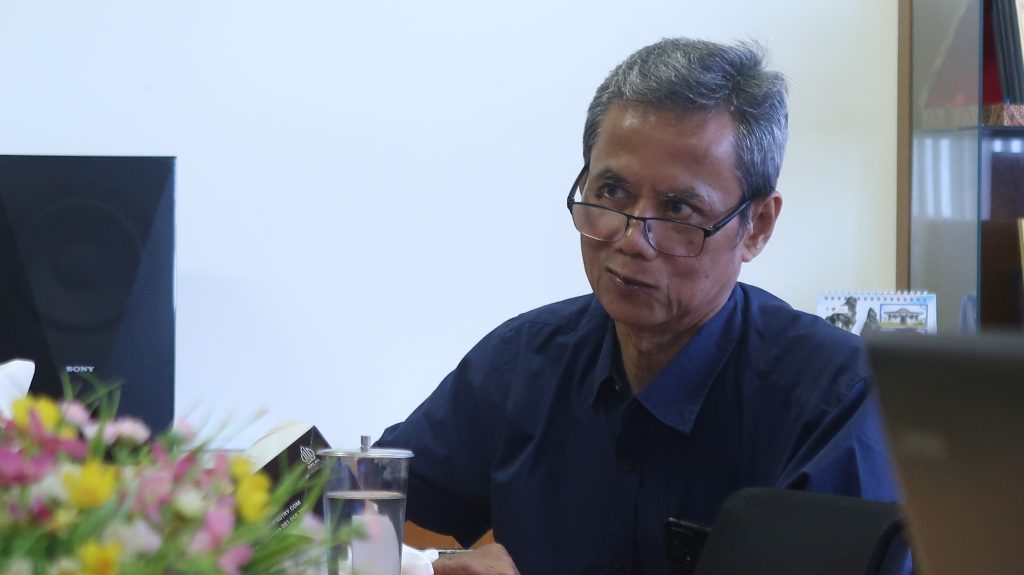
One of the primary topics discussed was the development of curricula that are responsive to industry needs, scientific advancement, and evolving higher education policies. DTPB FTP UGM shared its experience in designing, implementing, and evaluating an Outcome-Based Education (OBE) curriculum, including strategies for aligning learning outcomes with workforce demands and technological developments in agricultural engineering.
Beyond curriculum development, both institutions exchanged perspectives on quality assurance systems, professional certification, and strategies for maintaining and improving study program accreditation. The experiences and best practices implemented at DTPB FTP UGM provided valuable insights for Universitas Padjadjaran in strengthening its own academic quality management system.
Expanding Opportunities for Academic Collaboration
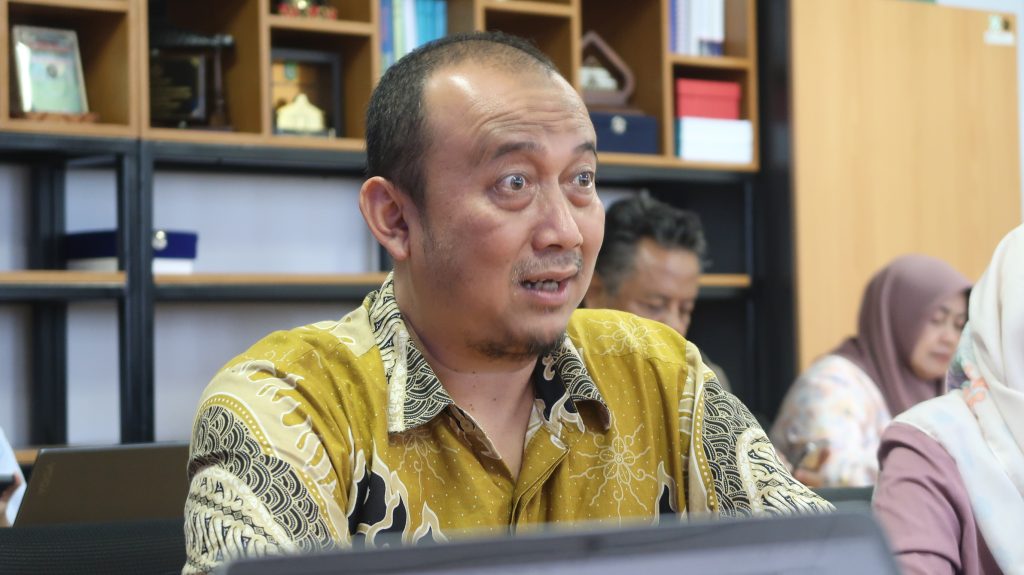
During the discussion, Dr. Wakyu Kristian Sugandi expressed his hope that the visit would serve as the beginning of a stronger partnership between the two institutions.
“Through this collaboration, we hope to engage in continuous brainstorming, particularly in curriculum development,” he remarked.
The proposal was warmly welcomed by DTPB FTP UGM. Both institutions agreed that collaboration among universities is essential for addressing the rapidly evolving landscape of science, technology, and workforce requirements. In addition to curriculum development, both parties identified opportunities for future collaboration in joint research, academic exchange programs, human resource development, and community engagement initiatives.
Advancing Excellence in Higher Education
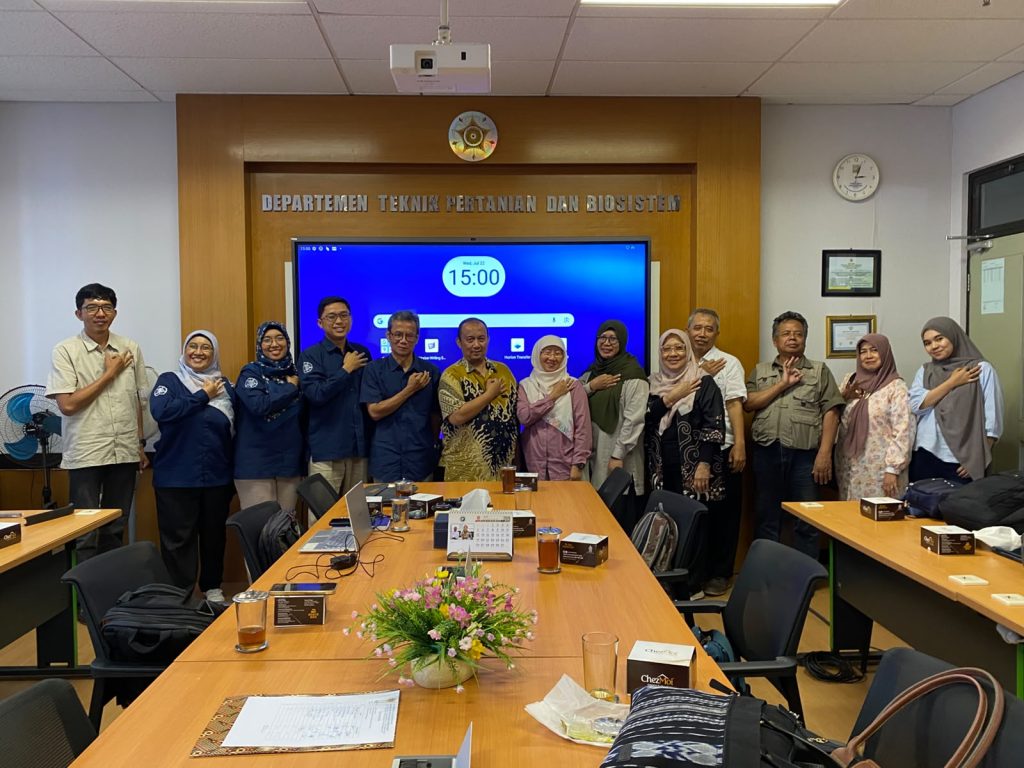
This academic visit reaffirmed DTPB FTP UGM’s commitment to serving as an open and collaborative institution that actively shares best practices with partner universities. The discussions are expected not only to strengthen institutional ties between Universitas Gadjah Mada and Universitas Padjadjaran but also to foster collaborative initiatives in curriculum development, joint research, faculty and student exchanges, and continuous improvement of higher education quality in agricultural and biosystems engineering.
Looking ahead, both institutions aspire to develop a long-term partnership that supports an adaptive, innovative, and globally competitive higher education system capable of producing graduates equipped to address challenges in agriculture, biosystems engineering, and sustainable development.