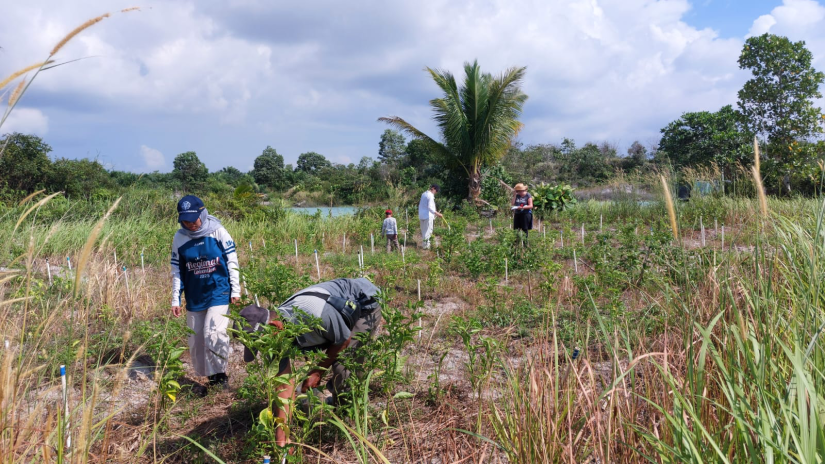
Bangka, June 30–July 3, 2026 – Behind its global reputation as the producer of Muntok White Pepper, Bangka Island is currently facing significant challenges. Climate change impacts, the rapid conversion of land into tin mining areas and oil palm plantations, and declining pepper productivity threaten the sustainability of a commodity that has been a regional identity for decades.
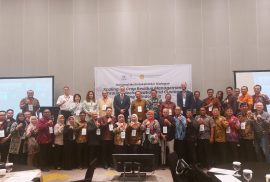
In response to these challenges, the Department of Agricultural and Biosystems Engineering (DTPB), Faculty of Agricultural Technology, Universitas Gadjah Mada (FTP UGM), together with BOKU University, Austria, strengthened international collaboration in Bangka through a series of activities held from June 30 to July 3, 2026. The activities integrated two programs: an international research collaboration under the ASEA-UNINET scheme and a community service program under the Equity scheme of the Directorate of Community Service (DPKM) UGM. The initiative also formed part of DTPB FTP UGM’s efforts to strengthen its international partnership network with various institutions, including Kasetsart University, Thailand, in support of adaptive, sustainable, and globally collaborative agricultural development.
International Collaboration through the ASEA-UNINET Program
One of the main agendas of the visit was the implementation of an international research project entitled “Use of Locally Available Soil Amendments to Reduce Heavy Metal Concentrations in Important Food Crops”, funded through the ASEA-UNINET scheme. The project is led by Dr. nat. techn. Rizki Maftukhah, S.T.P., M.Sc. from DTPB FTP UGM as part of a research consortium involving Universitas Gadjah Mada (Indonesia), BOKU University (Austria), and Vietnam National University of Agriculture (VNUA), Vietnam. The field activities in Bangka on this occasion were carried out by research teams from UGM and BOKU University as part of the initial implementation of the project.
The research aims to develop soil management approaches using locally available soil amendments to reduce heavy metal concentrations in food crops. This approach is expected to support safer agricultural systems and improve crop quality in areas potentially exposed to heavy metal contamination.
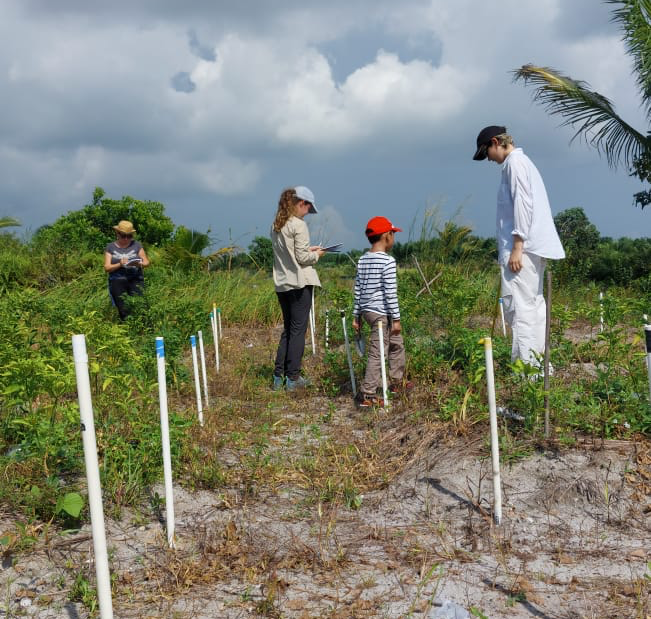
The BOKU University delegation participating in the field activities consisted of Priv.-Doz. Rebecca Hood-Nowotny, M.B.A., Ph.D., Juliana Jäggle, M.Sc., and Lea Wellinger, M.Sc. Meanwhile, the DTPB FTP UGM team involved in the activities included Dr. nat. techn. Rizki Maftukhah, S.T.P., M.Sc., Dr. Ngadisih, S.T.P., M.Sc., IPM., ASEAN Eng., Dr. Andri Prima Nugroho, S.T.P., M.Sc., Ph.D., IPU., ASEAN Eng., APEC Eng., and Dr. Prieskarinda Lestari, S.T.
As part of the research activities, the team conducted observations at post-tin mining land in Bangka Regency to examine the biophysical conditions of the land and discuss the potential application of agroengineering-based land rehabilitation technologies. This visit served as an initial step in identifying strategies for utilizing degraded land to restore productivity while maintaining environmental sustainability.
UGM DPKM Equity Program Supports the Revitalization of Bangka White Pepper
In addition to conducting international research, the DTPB FTP UGM team also implemented a community service program under the Equity scheme of the Directorate of Community Service (DPKM) UGM, led by Dr. Ngadisih, S.T.P., M.Sc., IPM., ASEAN Eng.
The program entitled “Integration of Climate Change Adaptation, Agroengineering Innovation, and Regional Development Planning for the Sustainability of White Pepper Plantations on Bangka Island” was designed as an applied research and community empowerment initiative to address various challenges contributing to the decline in white pepper productivity in Bangka.
Through a multidisciplinary approach, the program integrates climate change adaptation strategies, the application of agricultural technology innovations, and regional development planning to support the sustainability of white pepper as both a regional identity and an economic driver for the Bangka community.
Direct Engagement with Pepper Farmers
The activities continued with a visit to the pepper plantation owned by Satera Yudaryoso, one of the partner farmers in the Equity Program. The site had previously been part of the roadmap preparation activities for the revitalization of Bangka white pepper in early June 2026.
The team held direct discussions on various challenges in pepper cultivation, including changing climate patterns, declining crop productivity, soil fertility conditions, and opportunities for applying technological innovations to improve yields.
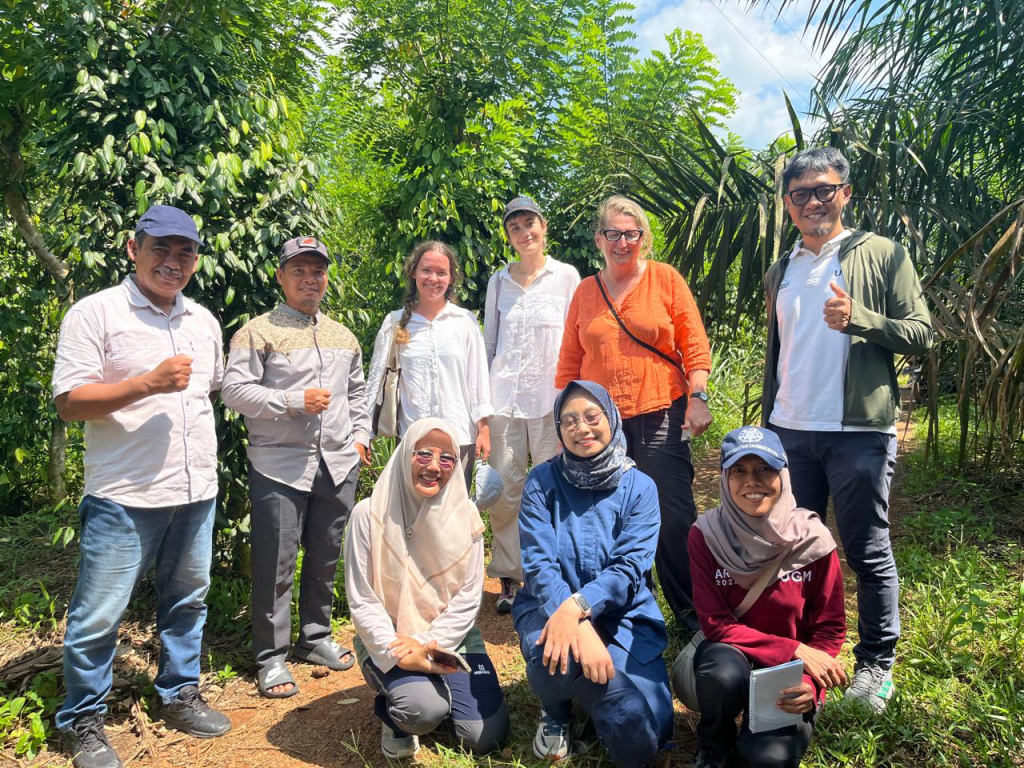
Delegates from BOKU University shared their experiences in soil health management, land rehabilitation, and agricultural adaptation strategies to climate change that have been implemented in Austria. This exchange of experiences is expected to serve as a basis for further collaborative research and to strengthen innovations suitable for local conditions in Bangka.
Synergy with the Regional Government
To strengthen collaboration with the regional government, the team held an audience meeting with the Head of the Regional Development Planning Agency (BAPPEDA) of Bangka Regency, Ir. Pan Budi Marwoto, M.Si. The meeting discussed opportunities to align university research outcomes with regional development policies, particularly in supporting the revitalization of white pepper plantations through evidence-based policy approaches and technological innovation.
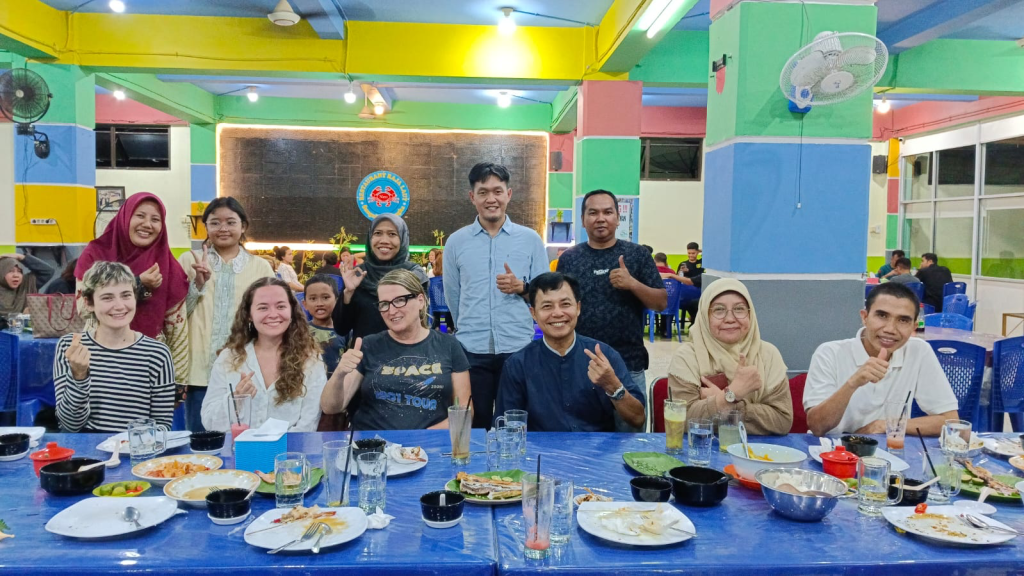
The discussion also emphasized the importance of cross-sector collaboration in addressing climate change, land conversion, and improving the competitiveness of Bangka’s leading agricultural commodities.
Discussion with UGM KKN-PPM Students
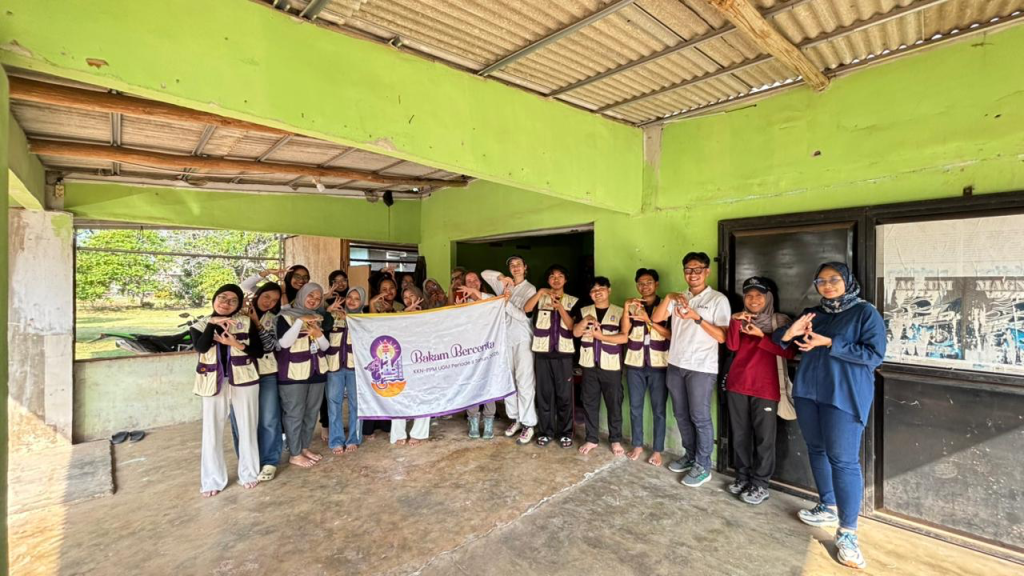
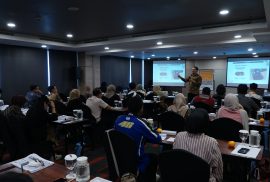
As part of strengthening community service activities, the team also visited UGM KKN-PPM Unit “Bakam Bercerita” students stationed in Bukit Layang Village, Bakam District, Bangka Regency. During the visit, a Focus Group Discussion (FGD) was conducted with the students to align community empowerment programs with the agenda of developing pepper commodities and sustainable natural resource management.
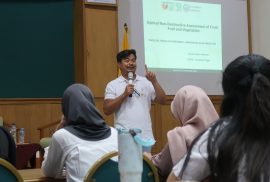
The students presented various community empowerment programs being implemented in the village, while lecturers and researchers provided input on opportunities for developing agriculture based on innovation and climate change adaptation.
One of the main topics raised was the shift in the livelihoods of Bukit Layang Village residents, which are now predominantly dominated by oil palm plantations and tin mining activities. This condition is considered to have affected the sustainability of white pepper plantations, which have long been an identity of Bangka Regency.
During the discussion, the DTPB FTP UGM team explained that Bangka is known as a producer of Muntok White Pepper, one of the world’s finest white peppers. However, in recent years, the productivity of this commodity has declined due to climate change, the increasing conversion of land, and the declining interest of the community in cultivating pepper.
Therefore, an integrated approach combining climate change adaptation, agroengineering innovation, and regional development planning is needed to ensure the sustainable development of white pepper commodities.
For the UGM KKN-PPM students, this visit provided valuable experience in broadening their understanding of sustainable agricultural development while strengthening international collaboration networks. Direct interaction with researchers from Austria offered new perspectives on the application of research in supporting community empowerment.
Encouraging Sustainable Collaboration
Through the four-day series of activities, DTPB FTP UGM reaffirmed its commitment to integrating education, research, and community service through international collaboration. The synergy among universities, regional governments, students, farmers, and global partners is expected to generate innovative solutions to address the impacts of climate change, accelerate the revitalization of Muntok White Pepper, and improve the welfare of the Bangka community.
The collaboration between UGM and BOKU University is also expected to become a foundation for sustainable research and community service development. The resulting innovations are expected not only to contribute to scientific advancement but also to provide tangible benefits for resilient, adaptive, and sustainable agricultural development in Indonesia.