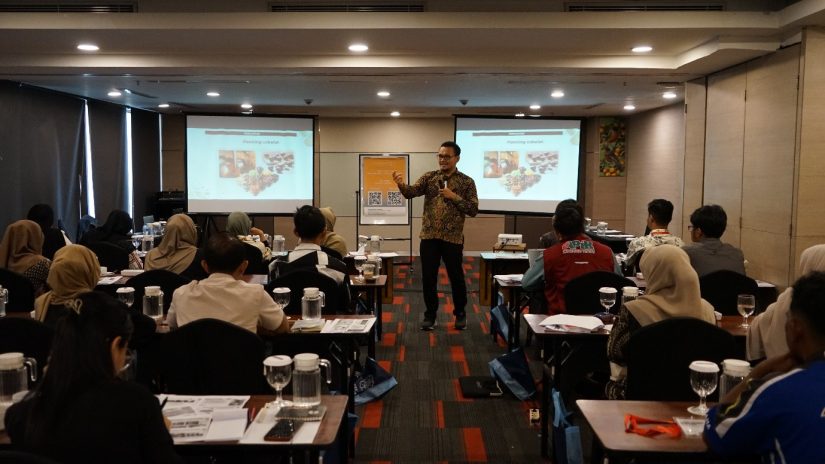
Yogyakarta, August 19, 2026 – The development of the cocoa industry cannot rely solely on machinery and technology. Human resources with knowledge and skills in handling raw materials, postharvest processes, and processing are essential to producing high-quality and competitive cocoa products.
This was one of the focuses of the Sustainable Cocoa Capacity and Human Resources Development Training, organized through a collaboration between the Faculty of Agricultural Technology, Universitas Gadjah Mada (FTP UGM) and the UGM Cocoa Teaching and Learning Industry (CTLI), together with the Ministry of Industry and the FAST (Forest, Agriculture and Sustainable Trade) Project of the United Nations Development Programme (UNDP) Indonesia, along with related partners.
The activity took place from August 19–21, 2026, featuring a learning program that combined theoretical materials, practical sessions, and field visits.
On the first day, participants received training on various aspects of cocoa processing technology and postharvest handling as a foundation for improving raw material quality and producing better processed cocoa products.
Human Resources as the Key to Cocoa Industry Development
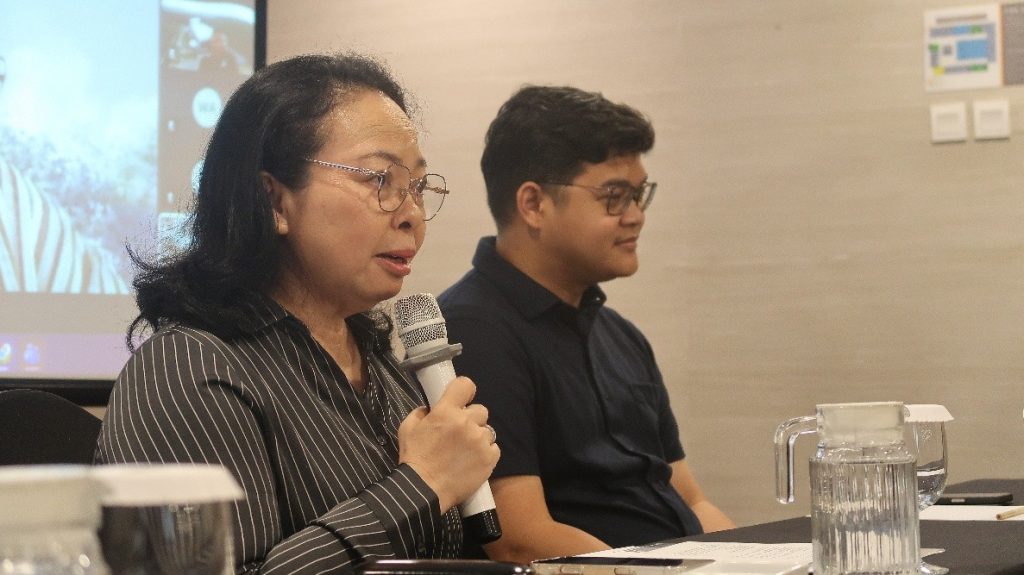
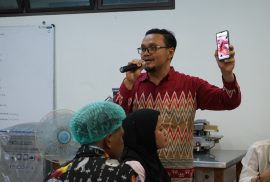
The opening session emphasized the importance of strengthening human resources in supporting the development of the cocoa industry. Merrijantij Punguan Pintaria, Director of the Beverage, Tobacco Products, and Refreshment Industry, stated that industrial development cannot depend solely on the availability of machinery and technology.
“Industry does not rely solely on machinery; human resources are equally important for the development of our industry,” said Merrijantij Punguan Pintaria.
According to her, technology needs to be supported by human resources who are capable of understanding processes, operating equipment, and carrying out development and improvements in production activities.
This serves as an important foundation for the training, considering that cocoa processing requires an interconnected understanding of material characteristics, postharvest handling, processing technology, and final product quality.
UNDP Encourages the Development of Indonesia’s Cocoa Potential
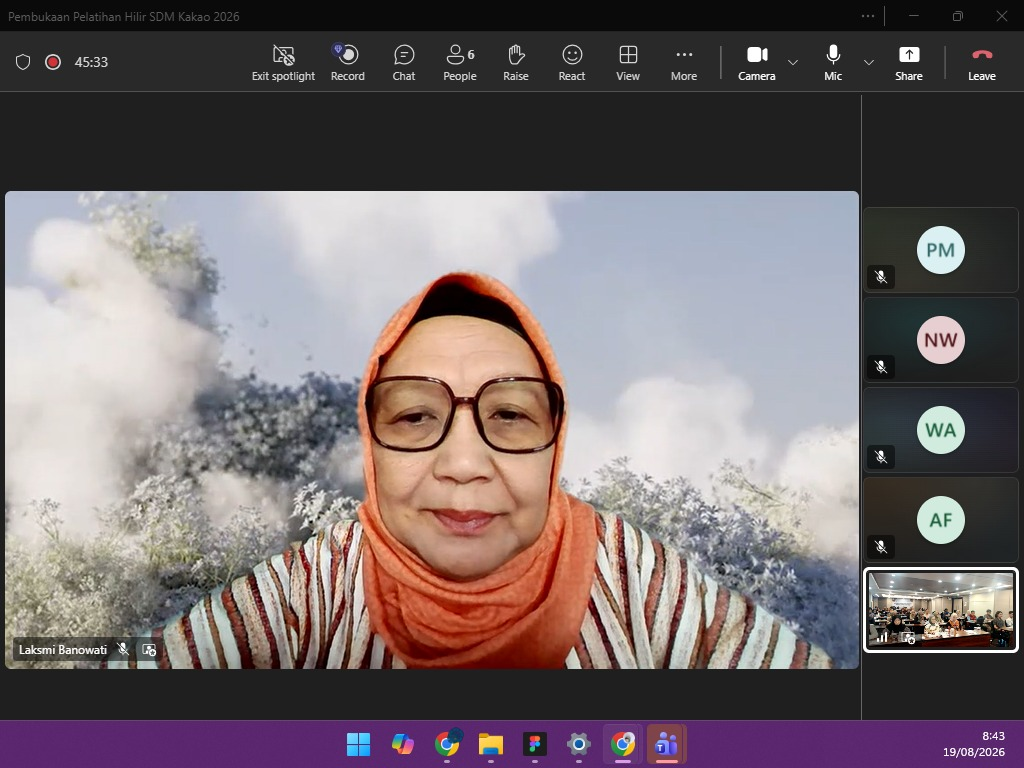
Laksmi Banowati, National Project Manager of the UNDP Indonesia FAST Project (Forest, Agriculture and Sustainable Trade), explained that UNDP continues to promote the development of Indonesia’s cocoa potential through collaboration with various stakeholders, including government institutions, universities, and the private sector.
Laksmi also expressed her appreciation for the participation of women in the training. According to her, the strong presence of women in the activity is an important part of strengthening human resource capacity in the cocoa sector.
This collaboration is expected to support the sustainable development of Indonesian cocoa, not only in terms of production but also through improved processing capabilities and product development.
Encouraging Participants to Move Up the Value Chain
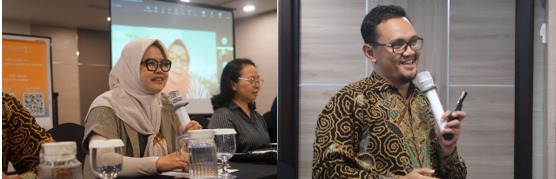
The strengthening of competencies is aimed at helping participants improve their ability to produce value-added processed cocoa products. Capacity building is important not only in terms of mastering processing technology but also in recognizing the potential of cocoa to be developed into higher-quality products with commercial opportunities.
Dr. Arifin Dwi Saputro, S.T.P., M.Sc., as the training coordinator, stated that the training was expected to encourage participants to improve product quality and achieve higher standards.
“Through this training, we hope that all participants can move up the value chain, in the sense that they can produce chocolate products that meet global standards,” said Dr. Arifin.
The message emphasizes that improving human resource capacity is an important part of developing the cocoa industry. Knowledge of raw materials and technology needs to be properly applied to produce products with quality and competitiveness.
Meanwhile, UGM Director of Business Development, Prof. Ir. Wiratni, S.T., M.T., Ph.D., IPM., emphasized the importance of viewing the outcomes of the training not only from the perspective of skills development but also in terms of business opportunities. Mastery of technology and the ability to transform cocoa into value-added products are expected to open opportunities for participants to further develop their products.
In the context of cocoa development, capacity building is an important step toward strengthening the connection between technology, product quality, and business opportunities. Thus, cocoa is not only viewed as a raw material commodity but also as a source of processed products that can generate added value for businesses and communities.
The collaboration between UGM, UNDP, and the Ministry of Industry through this training is expected to encourage participants to continuously develop their knowledge and skills, enabling them to produce cocoa products that are increasingly high-quality, innovative, and competitive.
Equipping Participants with Knowledge from Postharvest Handling to Processing Technology
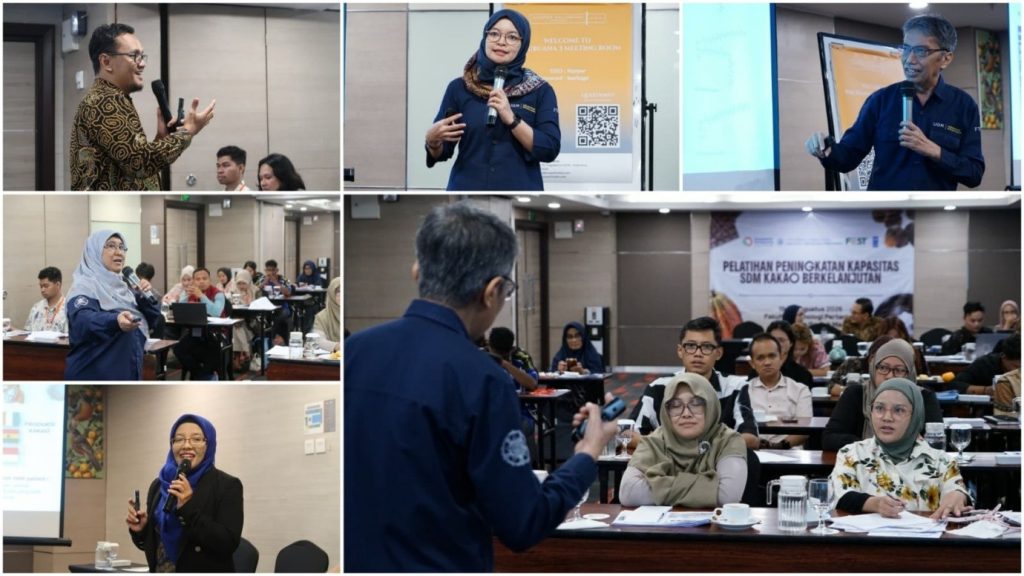
On the first day, participants received various materials related to cocoa processing technology and postharvest handling. The materials covered fermentation and drying, cocoa bean roasting and shell removal, chocolate processing methods, as well as an understanding of material characteristics during processing.
The sessions were delivered by FTP UGM lecturers with expertise in food technology, postharvest technology, and agricultural product processing, namely Dr. Arifin Dwi Saputro, S.T.P., M.Sc.; Dr. Hanim Zuhrotul Amanah, S.T.P., M.P., Ph.D.; Dr. Devi Yuni Susanti, S.T.P., M.Sc.; Prof. Dr. Ir. Sri Raharjo, M.Sc.; and Dr. Novita Erma Kristanti, S.T.P., M.P.
The materials were designed to provide participants with an understanding of the importance of maintaining cocoa quality from the postharvest stage through processing. Each stage influences the characteristics of the raw material and the quality of the resulting product.
Through these learning activities, participants are expected to understand the basic principles of cocoa processing while identifying various aspects that need to be considered to produce products with more consistent quality.
Building a Foundation for Sustainable Cocoa Development
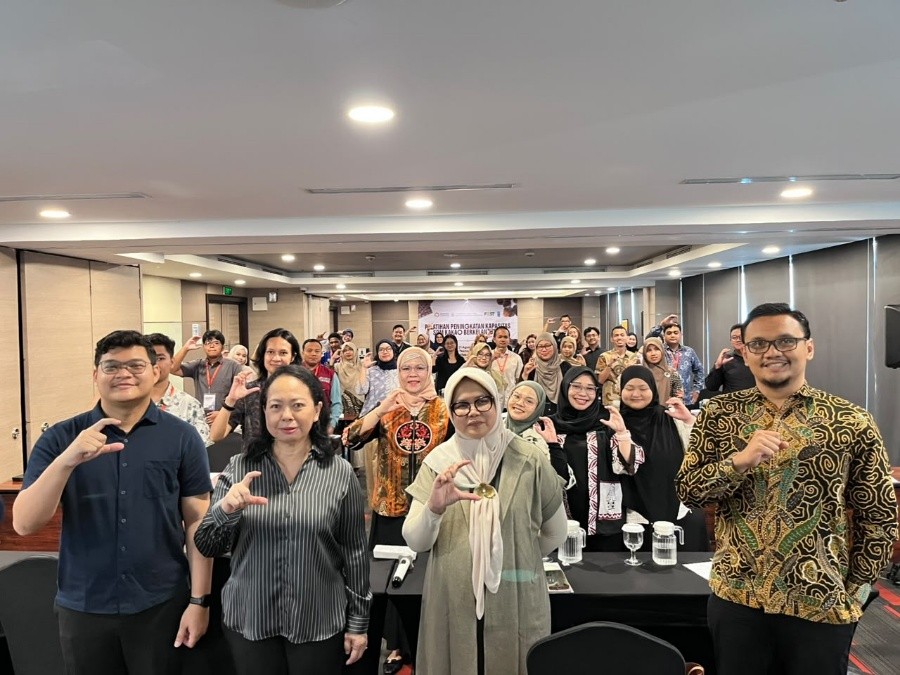
The first day of the training provided participants with a foundation for the learning and product development practices on the following days. Understanding raw materials, postharvest handling, and processing technology is an essential foundation before participants proceed to learn about the diversification and development of processed cocoa products.
Through this activity, FTP UGM and UNDP Indonesia seek to strengthen human resource capacity as part of efforts to build a cocoa industry that delivers higher quality, greater added value, and sustainable development.