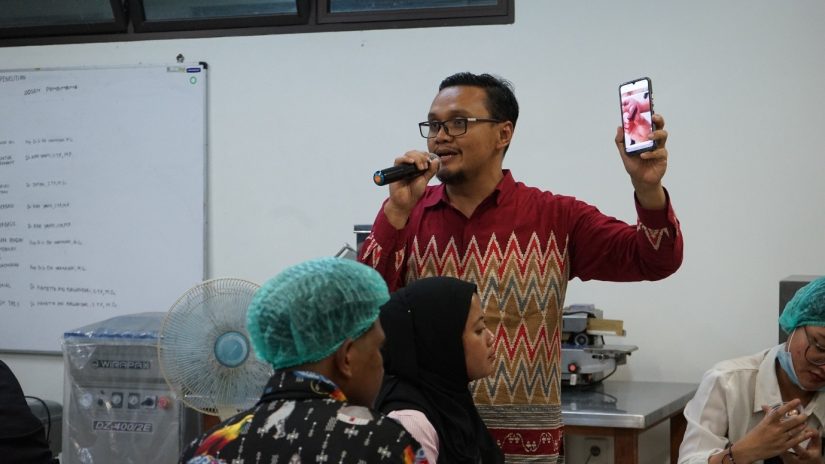
Yogyakarta, August 20, 2026 – Increasing the added value of cocoa requires the ability to transform raw materials into a variety of processed products with quality, distinctive characteristics, and market competitiveness. Therefore, mastery of formulation, processing technology, and practical skills is an important part of promoting the downstream development of cocoa commodities.
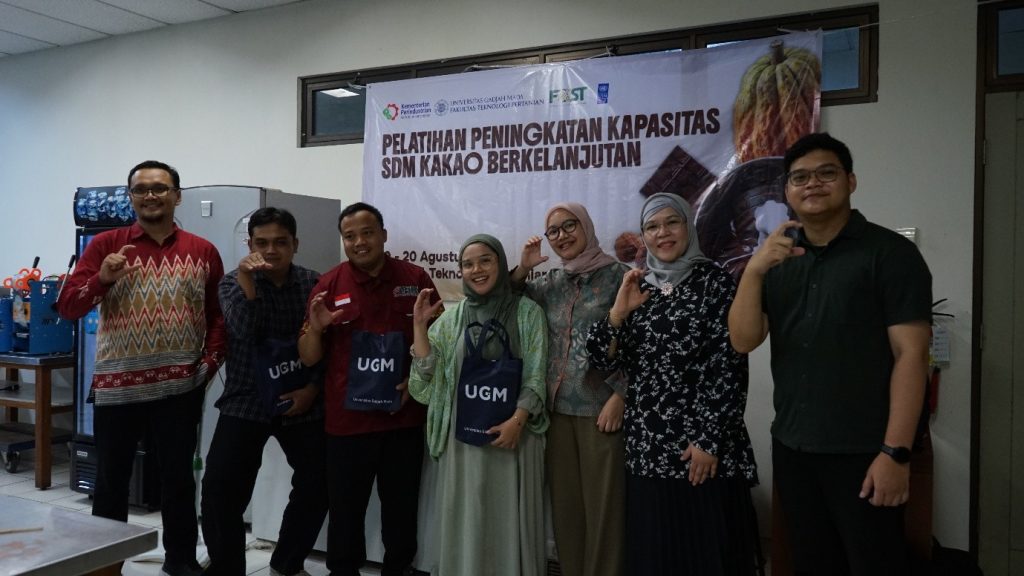
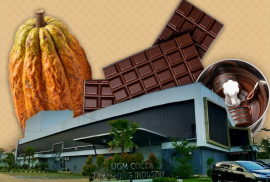
These aspects were the focus of the second day of the Sustainable Cocoa Capacity and Human Resources Development Training, organized through a collaboration between the Faculty of Agricultural Technology, Universitas Gadjah Mada (FTP UGM) and the UGM Cocoa Teaching and Learning Industry (CTLI), together with the Ministry of Industry and the FAST (Forest, Agriculture and Sustainable Trade) Project of the United Nations Development Programme (UNDP) Indonesia, along with related partners. The activity took place from August 19–21, 2026, featuring a learning program that combined theoretical materials and practical sessions.
After receiving introductory materials on postharvest handling and processing technology on the first day, participants on the second day were guided to understand the development of processed cocoa products while applying their knowledge through hands-on chocolate processing practices.
Developing Cocoa into Value-Added Products
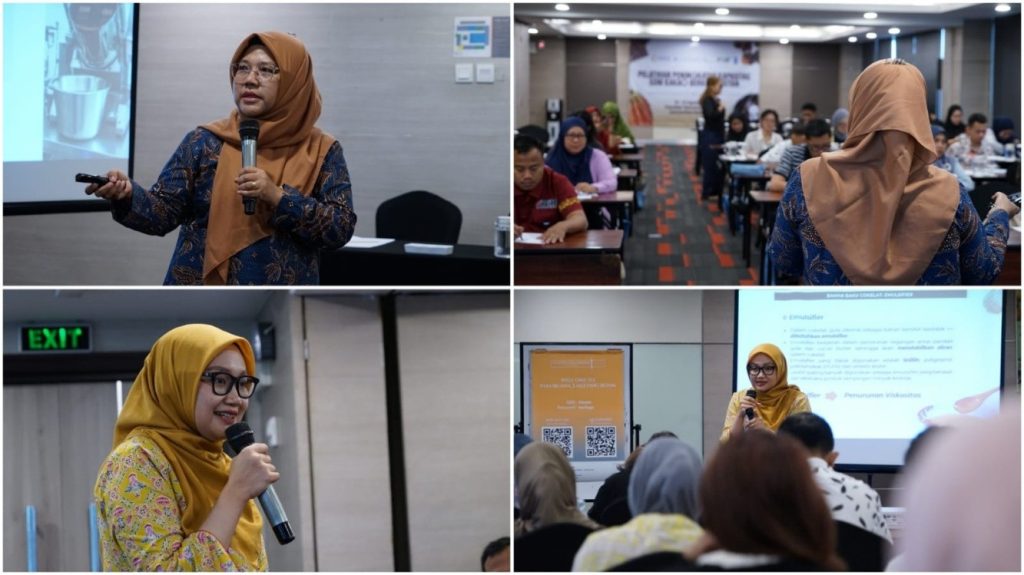
Delivery of Materials by Dr. Sri Rahayoe and Dr. Arima Diah Setyowati
The second day of the training focused on the development of processed cocoa products, including the application of processing technology, product formulation, the use of functional additives, and the development of various cocoa-derived products.
The materials were delivered by Dr. Sri Rahayoe, S.T.P., M.P. and Dr. Arima Diah Setyowati, S.T.P., M.Sc.
The two FTP UGM lecturers provided participants with knowledge on cocoa product development, emphasizing the importance of understanding formulation, material characteristics, and processing methods in producing products that meet specific requirements.
The learning activities demonstrated that cocoa product development involves more than simply processing raw materials. It also requires creativity in developing product diversification and the ability to control processing conditions to maintain product quality.
Theory Followed by Hands-On Practice
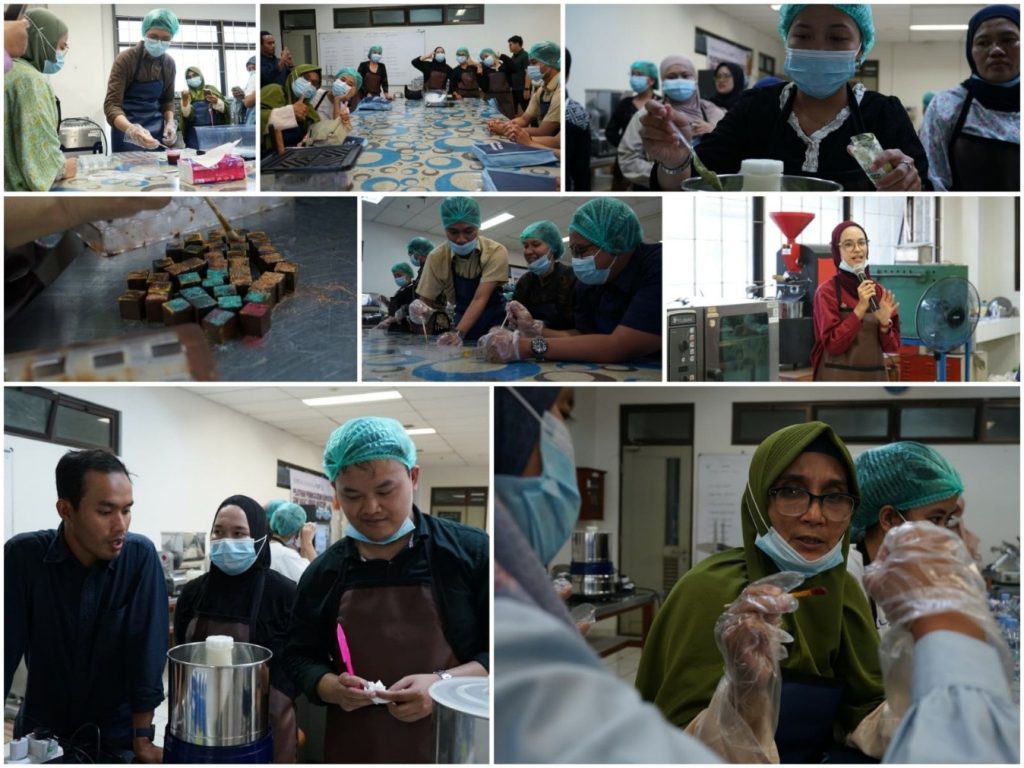
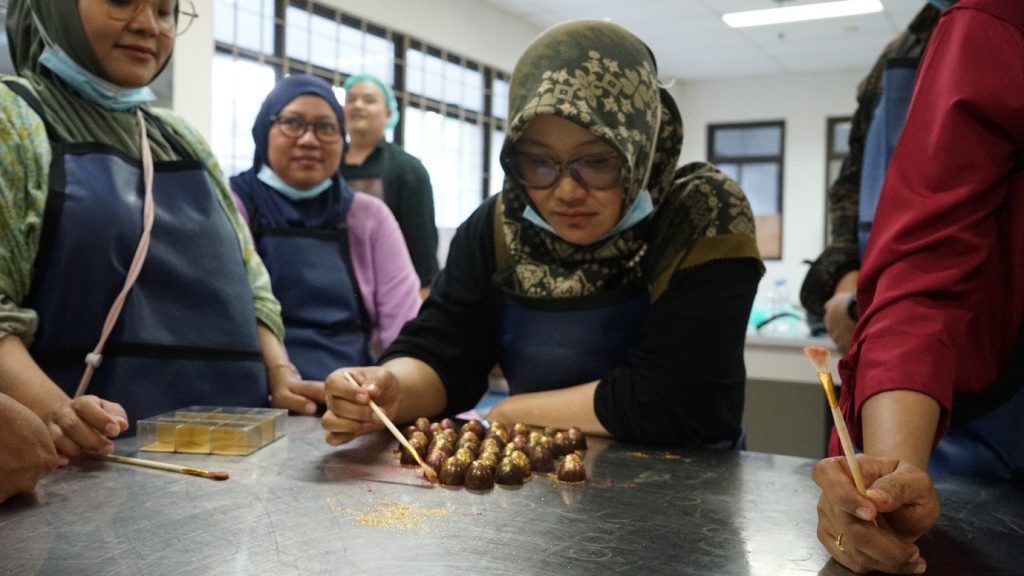
To strengthen participants’ understanding, the theoretical materials were followed by practical sessions on the processing of various chocolate-based products.
Participants practiced making tablea or chocolate beverages, tempering and producing chocolate bars enriched with active compounds, as well as making pralines.
Through these practical sessions, participants were able to directly apply the knowledge gained during the training. The practice also provided experience in processing techniques and controlling product characteristics to achieve the desired quality.
The practical sessions were facilitated by Dwi Ayuni, Ph.D.; Hilda Maya Sintia Dewi, S.T.P., M.Sc.; Maulana Muhammad Shodiq, S.T.P., M.Sc.; Haida Setyani, S.T.P., M.Sc.; Shafa Anindha Nabila, S.T.P., M.Sc.; and Ridwansyah Micko Perdhana, S.T.P.
Participants were directly involved in each stage of the practical sessions, ensuring that the learning process was not only focused on theory but also provided technical skills that could be further developed.
Improving Quality to Move Up the Value Chain
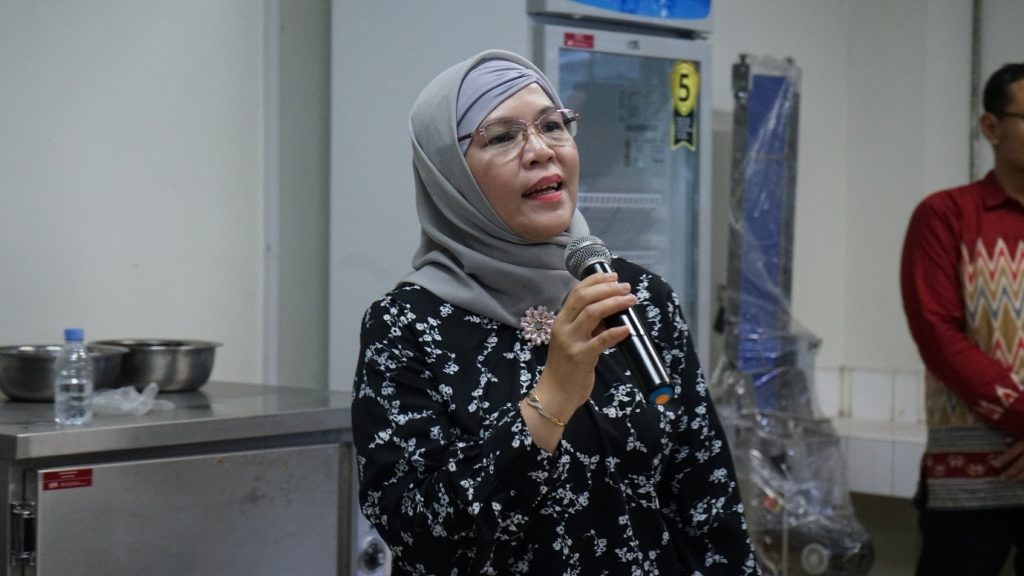
Product development also served as an opportunity to reaffirm the importance of quality improvement. Value-added cocoa products require consistent quality and the ability to continuously innovate.
This was emphasized by Riris Marito, Head of the Tea and Coffee Industry Development Team at the Ministry of Industry, during the training’s closing session.
“We have to move up the value chain, not merely rely on quality, but we must improve quality,” said Riris Marito.
Her statement emphasized that improving competitiveness is not simply about maintaining existing quality. Industry players must continuously improve their products to meet market demands and support sustainable growth.
Strengthening Collaboration between UNDP, UGM, and the Ministry of Industry
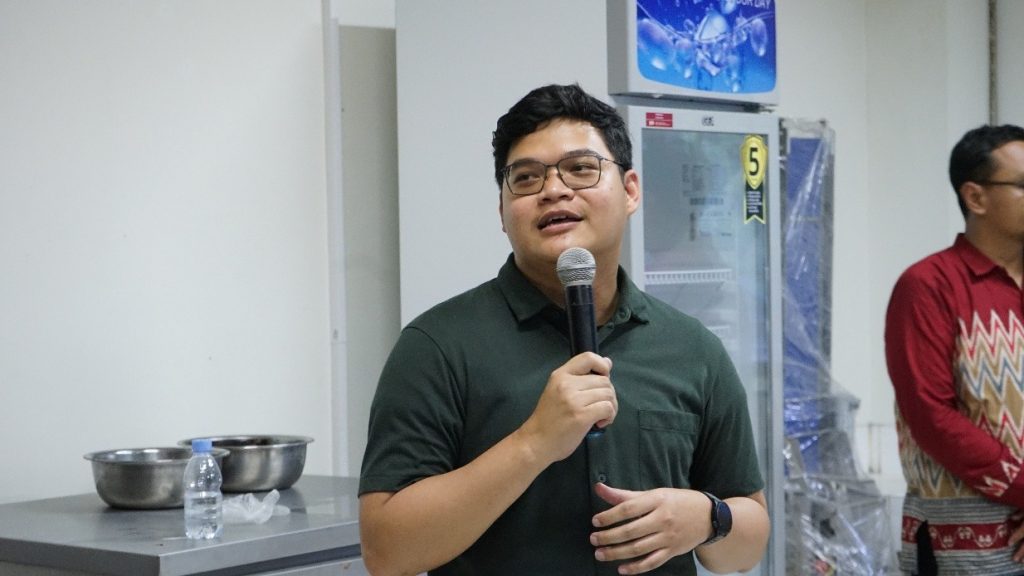
The closing session also served as an opportunity to strengthen the commitment to inter-institutional collaboration in developing Indonesia’s cocoa products.
Wahyabiyantara, a representative of the FAST Project UNDP, expressed appreciation for the collaboration and hoped that cooperation between UNDP, UGM, and the Ministry of Industry would continue.
“Thank you for this collaboration. Through this training, we hope that the cooperation between UNDP, UGM, and the Ministry of Industry can continue in developing these cocoa products,” said Wahyabiyantara.
Collaboration between universities, government institutions, and development organizations is important for connecting knowledge, technology, policies, and the needs of industrial development in the field.
Participants Encouraged to Continue Developing Their Skills
Meanwhile, Dr. Arifin Dwi Saputro, S.T.P., M.Sc., expressed his hope that the knowledge and skills gained during the training would continue to be developed by the participants.
“We sincerely hope to see the continued development of all participants after this training,” said Dr. Arifin.
The statement marked the conclusion of a learning program that combined theory and practice. Participants are expected to apply the knowledge they gained to develop cocoa products with improved quality and greater added value.
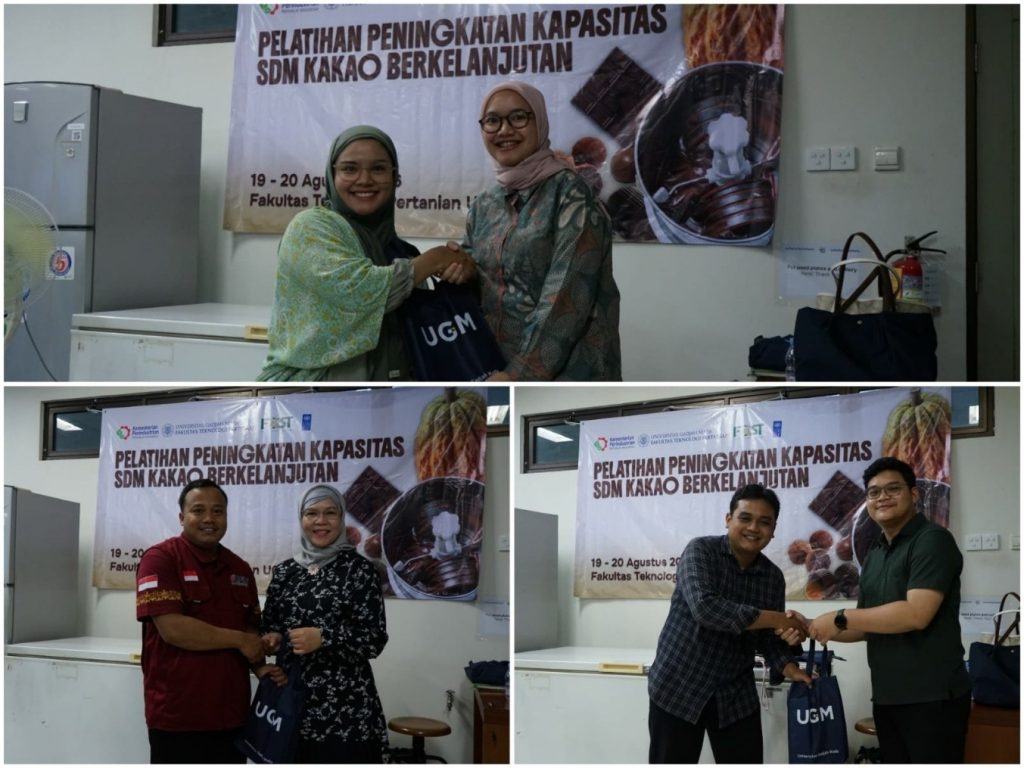
In addition to receiving theoretical and practical training in cocoa processing, participants were also assessed based on their active participation throughout the training program. This assessment was one of the evaluation components, along with the pretest and posttest results conducted during the training.
Based on the evaluation results, Annissa Siti Fatimah Ahmad achieved first place, followed by Rafi’ Yazid Muzaki in second place, and Kris Setyo Wiyono in third place.
The three participants achieved the highest overall evaluation results in the training. Their recognition demonstrated that understanding the materials was accompanied by active participation throughout the learning process.
The participation assessment was also intended to encourage participants not merely to attend and receive materials, but to actively engage in discussions, practical sessions, and various activities throughout the training.
Promoting the Downstream Development of Indonesia’s Cocoa Industry
The second day of the training demonstrated that cocoa downstream development requires more than the ability to process raw materials. Mastery of formulation, technology, processing practices, product innovation, and quality assurance are integral components in developing competitive cocoa products.
Through collaboration between FTP UGM, UNDP Indonesia, and the Ministry of Industry, the training is expected to contribute to strengthening human resource capacity while supporting the development of Indonesian cocoa products that are increasingly high-quality, innovative, and value-added.