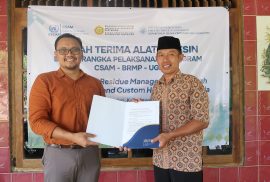
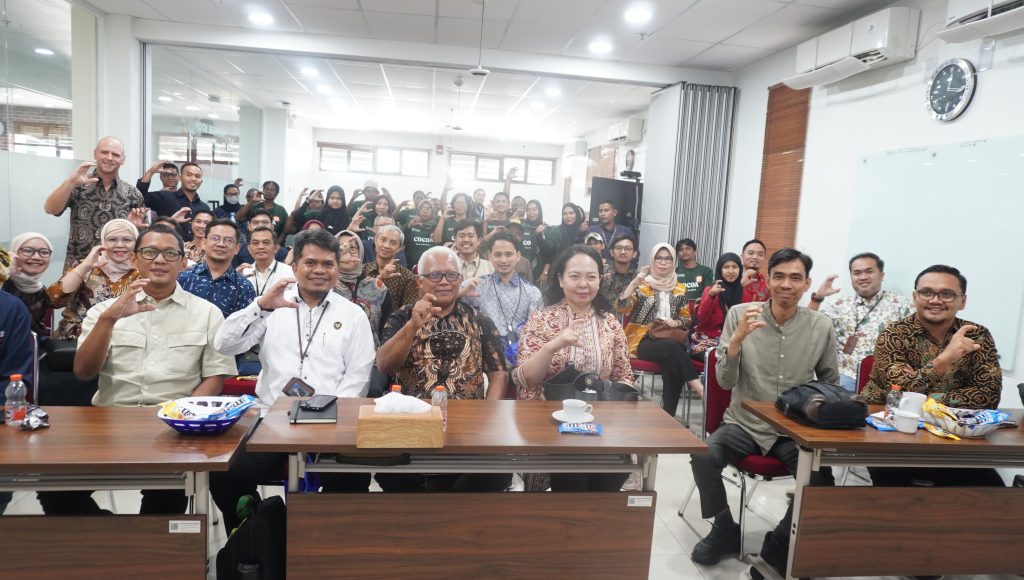
MAKASSAR – Universitas Gadjah Mada (UGM) reinforced its commitment to supporting a sustainable cocoa ecosystem through the participation of a cocoa downstreaming expert from the Department of Agricultural and Biosystems Engineering (ABE), Faculty of Agricultural Technology (FAT) UGM, Dr. Arifin Dwi Saputro, S.T.P., M.Sc., as a panel speaker at a national cocoa industry Focus Group Discussion (FGD) held at PT Mars Symbioscience Indonesia, Makassar Industrial Estate, South Sulawesi, on Tuesday (6/10/2026). The strategic forum, titled “Fostering Productivity, Sustainability, and Competitiveness of the National Cocoa Industry Through Cross-Sector Collaboration,” was organized by the Ministry of Industry alongside a cocoa human resource capacity-building graduation ceremony.
This community-oriented applied initiative aligns with UGM’s global commitment to achieving the Sustainable Development Goals (SDGs), specifically SDG 2: Zero Hunger (enhancing agricultural productivity and farmer livelihoods), SDG 8: Decent Work and Economic Growth (boosting industrial competitiveness and added value), SDG 12: Responsible Consumption and Production (ensuring quality standards and sustainable cocoa processing), and SDG 17: Partnerships for the Goals through multi-sector synergy among government ministries, research agencies, academics, and industry associations.
Pursuing Global Quality Standards and Cross-Sector Synergy
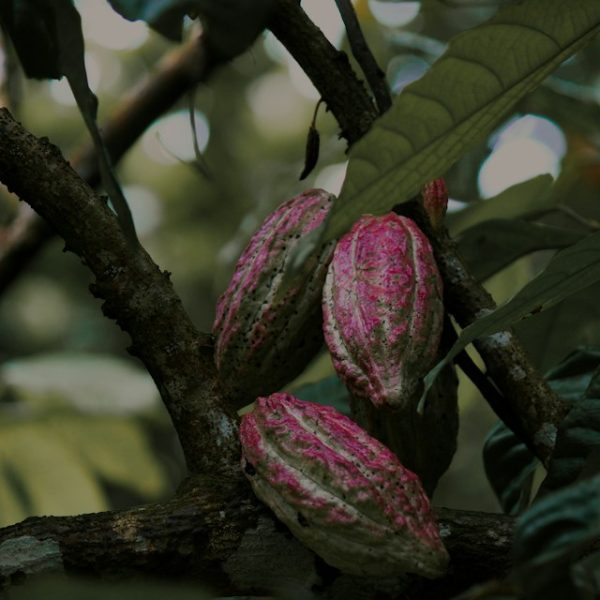
According to the Indonesian Cocoa Commodity Outlook Book published by the Agricultural Data and Information Center, Secretariat General of the Ministry of Agriculture (2025), Indonesia’s cocoa commodity has recorded highly dynamic trade value trends. Between 2015 and 2024, the average export value of Indonesian cocoa grew positively by 13.01% annually, reaching an all-time peak of US$ 2.62 billion in 2024. However, during the same period, cocoa import value growth also surged significantly by 20.03% per year, peaking at US$ 1.46 billion in 2024 due to global cocoa price increases.
In terms of market distribution, India was the main export destination for Indonesian cocoa in 2024 with a value share of US$ 471.03 million (17.99%), followed by the United States (15.72%), Malaysia (9.80%), China (8.33%), Estonia (7.96%), and the Netherlands (6.36%). High chocolate consumption in the European Union and emerging markets like Egypt for cocoa powder offer vast opportunities for market penetration, supported by trade diplomacy initiatives such as the Indonesia–European Union Comprehensive Economic Partnership Agreement (IEU-CEPA).
However, amidst these rapid trade fluctuations and global market trends, the national cocoa industry still faces fundamental challenges regarding product quality consistency and meeting processing standards.
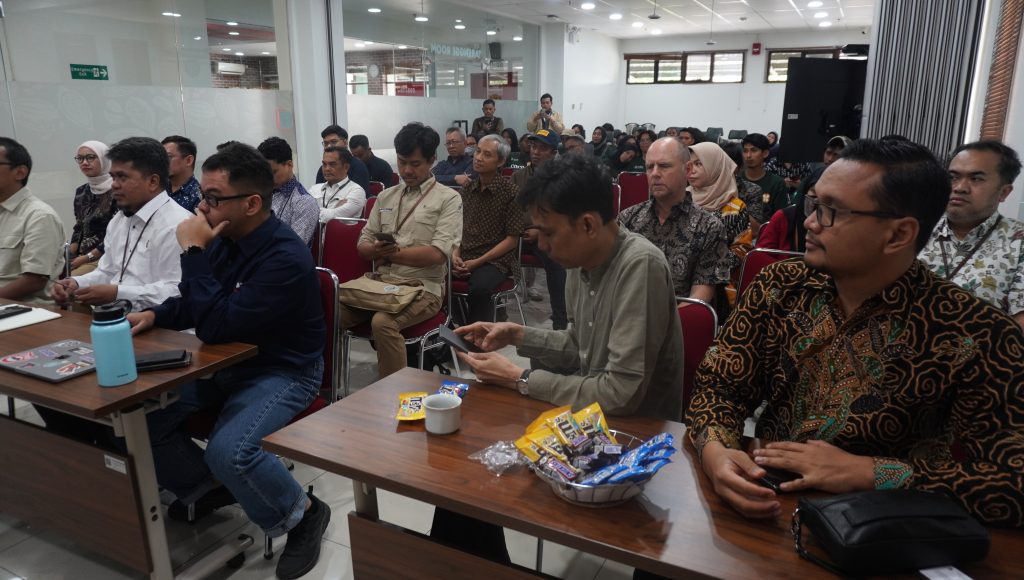
The FGD event was attended by key national stakeholders across sectors, including Director of Beverage, Tobacco Products, and Refreshment Materials Industry at the Ministry of Industry, Merrijantij Punguan Pintaria, S.T., M.Sc.; Acting Head of Food Program Fund Disbursement and Downstreaming Division at the Estate Crop Fund Management Agency (BPDP), Arfie Thaha; representatives from the National Food Agency (Bapanas); representatives from the National Research and Innovation Agency (BRIN); Chairman of the Indonesian Cocoa Association (ASKINDO), Jeffrey Hariwibowo; and Project Manager of FAST Project, Lhaksmi Bhanuati.
Pursuing Global Quality Standards and Cross-Sector Synergy
In his presentation as a Cocoa Downstreaming Expert, Dr. Arifin Dwi Saputro highlighted the importance of maintaining cocoa processing quality to remain competitive and meet increasingly stringent international market expectations.
“We as stakeholders need to synergize to foster the productivity and sustainability of Indonesian cocoa. We cannot only chase quantity, but the quality of cocoa must also be pursued to meet global standards. Facts on the ground show that many of our chocolate products still fall below global standards. This must become our collective attention and be addressed together, considering that global demand for Indonesian cocoa remains very high,” Dr. Arifin emphasized.
Through its active participation in this forum, the Department of Agricultural and Biosystems Engineering FAT UGM reinforces its strategic role and expertise in postharvest technology development, processing research, and downstreaming to advance the quality and global competitiveness of Indonesian cocoa.